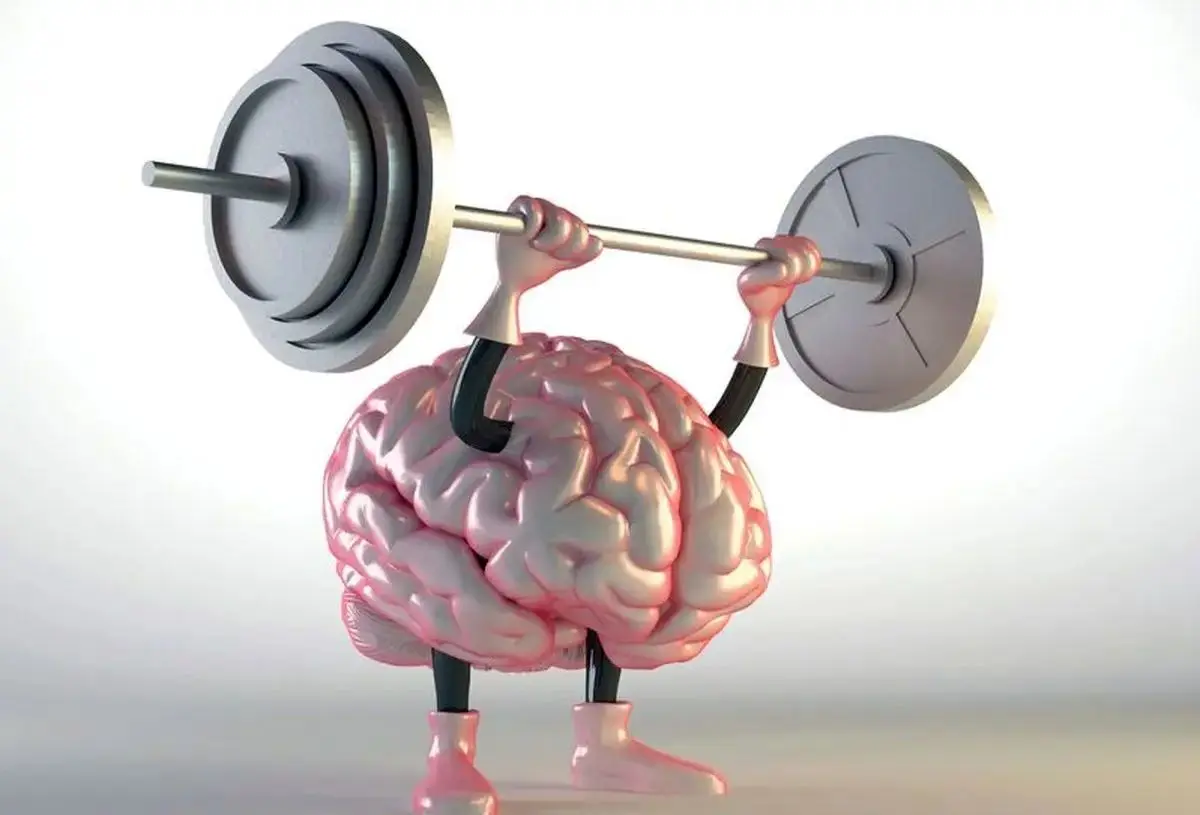

brain health vitamins and minerals play a vital role in maintaining cognitive function, emotional balance, and long-term neurological health. In fast-paced urban environments such as London, mental fatigue, stress, and reduced concentration have become increasingly common. Nutrition is one of the most overlooked yet powerful tools for supporting brain performance throughout adulthood.
This article explores how specific vitamins and minerals support brain health at a biological level, why deficiencies are common in the UK, and how a targeted supplement such as Lilia neuro care fits into a preventative, science-led approach to cognitive wellbeing.
The Brain’s Nutritional Demands Explained
The brain represents only around 2% of body weight, yet it consumes approximately 20% of the body’s energy. This high demand makes it especially sensitive to nutritional imbalances.
Why the Brain Needs Constant Nutrient Supply
Brain cells rely on vitamins and minerals to:
- Produce neurotransmitters
- Maintain nerve signalling
- Protect against oxidative stress
- Support memory and learning
Without adequate brain health vitamins and minerals, cognitive performance may gradually decline.
How Brain Cells Function and Regenerate
Neurons, Synapses, and Energy Production
Neurons communicate through synapses using chemical messengers. This process depends on:
- B vitamins for energy metabolism
- Minerals that regulate electrical signalling
- Antioxidants that protect brain tissue
Even mild deficiencies can affect attention, reaction time, and mental clarity.
Why Brain Health Deficiencies Are Common in the UK
Despite food availability, many adults in the UK experience suboptimal intake of key micronutrients.
Lifestyle and Environmental Factors
- Chronic stress increasing nutrient depletion
- Limited sunlight exposure affecting Vitamin D
- High screen time contributing to mental fatigue
- Urban pollution increasing oxidative stress
Dietary Challenges
- Highly processed diets
- Irregular eating patterns
- Reduced mineral absorption
As a result, many individuals may consume enough calories but still lack essential brain health vitamins and minerals.
Key Brain Health Vitamins and Minerals and Their Roles
B Vitamins a nd Cognitive Energy
B-complex vitamins contribute to:
- Energy production in brain cells
- Neurotransmitter synthesis
- Reduction of mental fatigue
Low levels are often associated with brain fog and poor concentration.
Magnesium and Nervous System Balance
Magnesium supports:
- Nerve transmission
- Stress regulation
- Sleep quality
It plays a key role in calming overactive neural pathways.
Zinc and Cognitive Processing
Zinc contributes to:
- Memory formation
- Learning processes
- Synaptic communication
Antioxidant Minerals and Brain Protection
Minerals such as selenium help protect brain cells from oxidative damage linked to cognitive ageing.
How Brain Health Vitamins and Minerals Work at a Cellular Level
Supporting Neurotransmitter Production
Neurotransmitters such as dopamine and serotonin require vitamin and mineral cofactors for synthesis and balance.
Protecting Brain Cells from Oxidative Stress
Free radicals can damage neurons over time. Antioxidant nutrients help neutralise this damage and support healthy brain ageing.
Supporting Blood Flow and Oxygen Delivery
Certain minerals contribute to proper circulation, ensuring oxygen and nutrients reach brain tissue efficiently.
The Importance of Ingredient Synergy in Brain Supplements
Single-nutrient supplements often fail to address the complexity of brain function.
Why Balanced Formulas Matter
- Nutrients work best in combination
- Excess of one mineral can block absorption of another
- Synergy improves bioavailability
This is why targeted formulations like Lilia neuro care are designed to support multiple neurological pathways simultaneously.
Common Mistakes When Choosing Brain Health Supplements
Relying on Stimulants Instead of Nutrition
Caffeine and short-term stimulants do not address underlying nutritional needs.
Expecting Immediate Results
Brain health improvements occur gradually and require consistency.
Ignoring Lifestyle Factors
Poor sleep, dehydration, and chronic stress reduce supplement effectiveness.
Who Can Benefit from Brain Health Vitamins and Minerals?
Targeted brain nutrition may benefit:
- Professionals under high mental pressure
- Students and lifelong learners
- Adults experiencing brain fog
- Individuals seeking preventative cognitive support
- Those living in high-stress urban environments
This makes products from Lilia supplements suitable for a wide adult audience.
Integrating Brain Supplements into a Healthy Routine
Best Practices for Cognitive Support
- Take supplements consistently
- Pair with balanced meals
- Maintain hydration
- Prioritise sleep and stress management
Supplements should enhance, not replace, healthy habits.
Why Trust Lilia Healthcare UK?
Lilia Healthcare UK focuses on science-based, transparent nutritional solutions.
Brand Commitment to Quality
- Evidence-informed formulations
- Carefully selected ingredients
- Alignment with UK standards
Choosing Lilia Healthcare supports long-term brain wellbeing rather than short-term fixes.
Long-Term Cognitive Benefits of Consistent Supplementation
What Most Users Experience Over Time
- Improved mental clarity within 6–8 weeks
- Better focus and stress resilience within 8–12 weeks
- Long-term support for cognitive ageing
Consistency is essential when using brain health vitamins and minerals.
Final Summary
brain health vitamins and minerals are foundational to cognitive performance, emotional balance, and long-term neurological wellbeing. Modern lifestyles increase the brain’s nutritional demands, making targeted supplementation a practical and preventative strategy. With its balanced, science-led formulation, Lilia neuro care supports brain health in a sustainable and reliable way.
Discover evidence-based cognitive support with Lilia Healthcare, and invest in mental wellbeing that lasts.