
Blue Light Exposure and Digital Brain Strain: Nutrients for Screen Fatigue is an increasingly relevant subject in a world where prolonged screen use has become part of everyday professional and personal life. Spending extended hours in front of computers, smartphones and tablets can contribute to visual discomfort, mental fatigue and difficulties maintaining concentration. Bright displays, glare and continuous near-focus activities place demands on the visual system, while sustained cognitive engagement can increase feelings of mental exhaustion. Although blue light itself has not been established as a direct cause of neurological damage under normal screen-use conditions, exposure to artificial light in the evening can influence circadian rhythms and sleep quality. Poor sleep, prolonged cognitive demands and inadequate nutritional intake may collectively affect brain function, antioxidant defences and mental performance. Understanding these mechanisms helps identify practical strategies for supporting cognitive health and managing digital fatigue.
Blue light is a high-energy portion of the visible light spectrum emitted by sunlight and digital displays. Specialised retinal cells containing melanopsin respond to blue-enriched light and transmit signals to the brain’s circadian regulation system.
During daytime hours, this response helps maintain alertness and regulate the sleep-wake cycle. However, exposure to bright screens late in the evening may suppress melatonin production and delay the body’s natural preparation for sleep.
Poor sleep can subsequently affect attention, memory consolidation, emotional regulation and reaction time. These effects may contribute to the experience commonly described as digital brain strain.
Extended screen sessions can cause digital eye strain, characterised by dry eyes, blurred vision, headaches and difficulty focusing. Reduced blinking during screen use contributes to tear-film instability, while prolonged near-focus activities place sustained demands on the visual system.
Cognitive fatigue can develop alongside these symptoms. Switching between applications, responding to notifications and processing continuous information require repeated attentional adjustments. Over time, these demands may make concentration feel increasingly difficult, particularly without adequate breaks.
Neurotransmitters are chemical messengers that enable communication between nerve cells. Dopamine contributes to motivation, reward processing and attention, while acetylcholine participates in learning, memory and attentional processes. Serotonin is involved in mood regulation and several other neurological functions.
It is important to distinguish mental fatigue from actual neurotransmitter depletion. Prolonged screen exposure has not been demonstrated to directly deplete dopamine, serotonin or acetylcholine. Nevertheless, demanding cognitive activities, insufficient sleep and chronic stress can influence the systems involved in regulating attention, motivation and mental performance.
Adequate nutrition supports normal neurotransmitter synthesis and neurological function. Amino acids, B-vitamins and essential minerals contribute to the biochemical pathways involved in these processes.
Oxidative stress occurs when the production of reactive oxygen species exceeds the body’s antioxidant defence capacity. These molecules are naturally generated during cellular metabolism, including normal brain activity.
The brain has considerable energy requirements and contains lipid-rich structures that require protection against oxidative damage. Antioxidant nutrients help maintain the body’s natural protective systems and support normal cellular function.
However, current evidence does not establish that ordinary digital screen exposure causes clinically significant oxidative damage to the human brain. Nutritional antioxidant support should therefore be understood as part of general health maintenance rather than a specific treatment for screen-related neurological effects.
Several nutrients contribute to normal antioxidant protection:
A varied diet containing colourful vegetables, berries, nuts, seeds and whole foods can provide many of these nutrients.
Phosphatidylserine is a phospholipid naturally present in cell membranes, particularly within the nervous system. It contributes to membrane structure, cellular signalling and the organisation of proteins involved in neuronal communication.
Research has investigated phosphatidylserine supplementation in relation to memory, attention and cognitive performance, particularly in older adults. Some studies suggest potential benefits in selected populations, although findings remain mixed and further high-quality research is required to establish its effectiveness.
For individuals experiencing demanding working schedules, phosphatidylserine is an interesting nutritional ingredient because of its established biological role in neuronal membranes. Nevertheless, it should not be presented as a proven solution for digital fatigue or as a treatment for cognitive impairment.
B-vitamins participate in energy metabolism, nervous system function and the synthesis of several neurotransmitters.
| Nutrient | Main Physiological Role |
| Vitamin B1 (Thiamine) | Supports normal energy metabolism and nervous system function |
| Vitamin B2 (Riboflavin) | Contributes to energy metabolism and antioxidant protection |
| Vitamin B3 (Niacin) | Supports normal psychological function and energy metabolism |
| Vitamin B6 | Contributes to normal neurotransmitter synthesis |
| Vitamin B9 (Folate) | Supports normal psychological function and cell division |
| Vitamin B12 | Supports normal nervous system function and reduces tiredness and fatigue |
Inadequate intake of certain B-vitamins, particularly B12 and folate, can contribute to fatigue and neurological symptoms. Individuals following restrictive diets or experiencing absorption difficulties may be at greater risk of deficiency.
For further guidance, explore [sustained mental energy protocols] to understand how nutritional habits can support consistent energy throughout the working day.
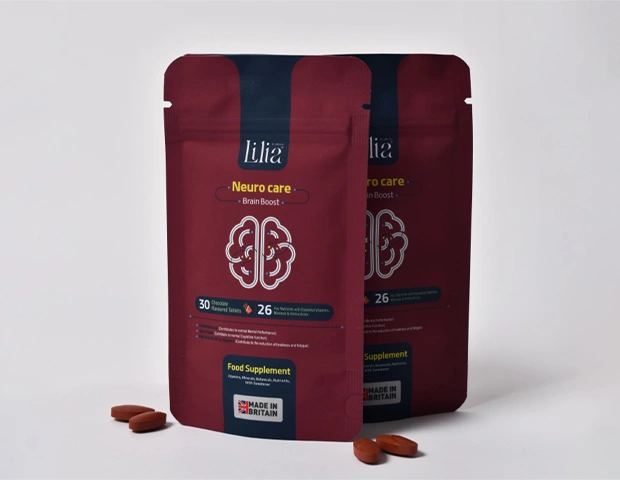
A balanced nutritional strategy can help address dietary gaps and support normal neurological function. Products marketed as digital brain strain supplements may combine selected B-vitamins, antioxidants and phosphatidylserine to provide targeted nutritional support.
Lilia Healthcare offers a British nutraceutical reference for individuals exploring formulations designed around cognitive wellness and everyday nutritional requirements.
Those interested in a targeted formulation can explore [Order Nootropic Focus Tablets UK] and review the ingredients, recommended intake and product information before considering supplementation.
Supplements should complement a balanced diet, not replace healthy lifestyle habits. Individuals taking medication or managing existing medical conditions should seek professional advice before introducing new supplements.
Supporting cognitive health during prolonged digital work requires more than nutritional supplementation. Consistent daily habits can help reduce visual discomfort, improve sleep quality and support mental performance.
Consider incorporating these practical measures:
Digital fatigue is often multifactorial, involving visual demands, cognitive workload, sleep disruption and lifestyle factors. Combining practical office habits with adequate nutrition and responsible supplementation provides a more evidence-informed approach to maintaining cognitive wellbeing. Discover more nutritional resources and wellness information through [Lilia Healthcare British supplements].