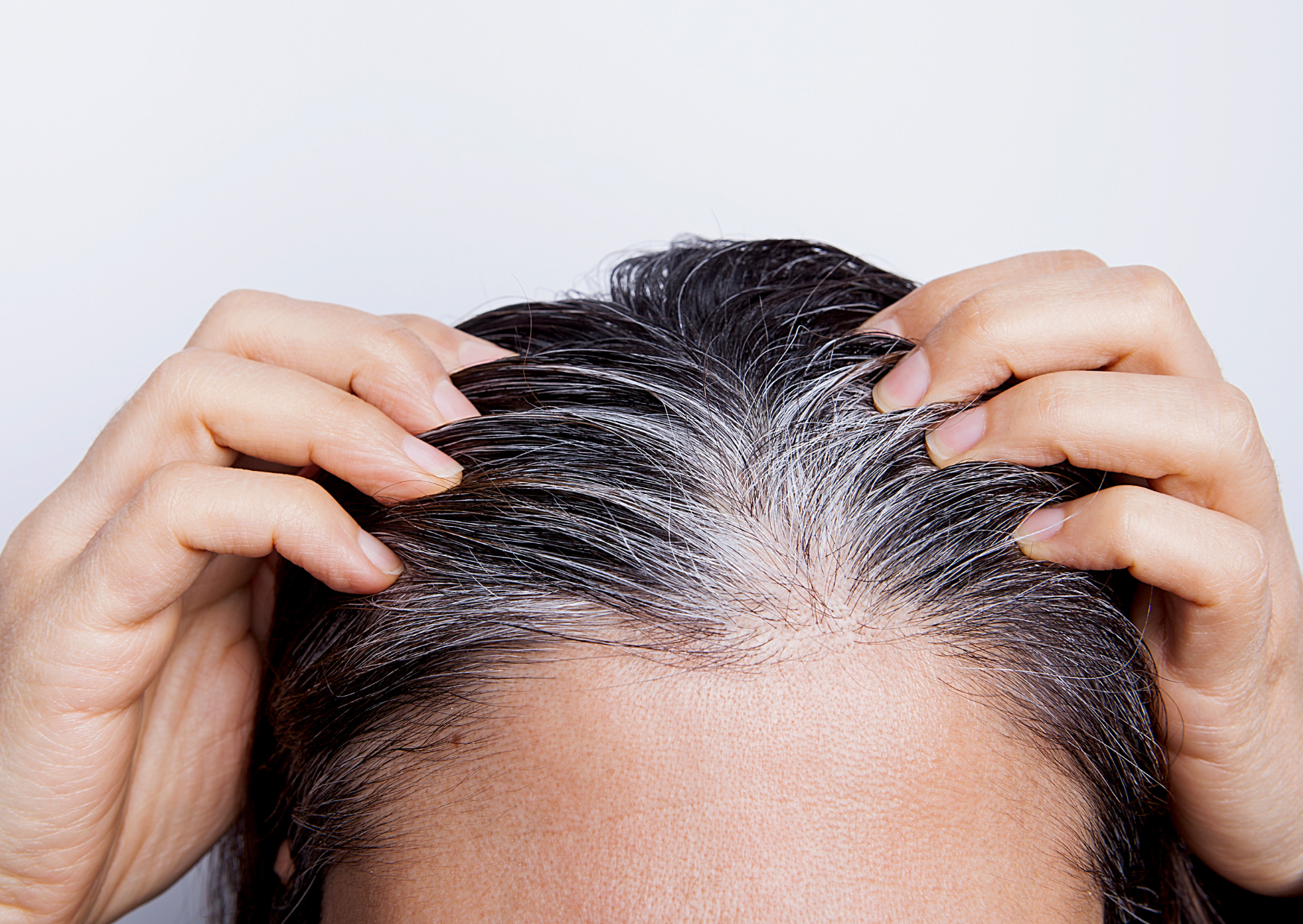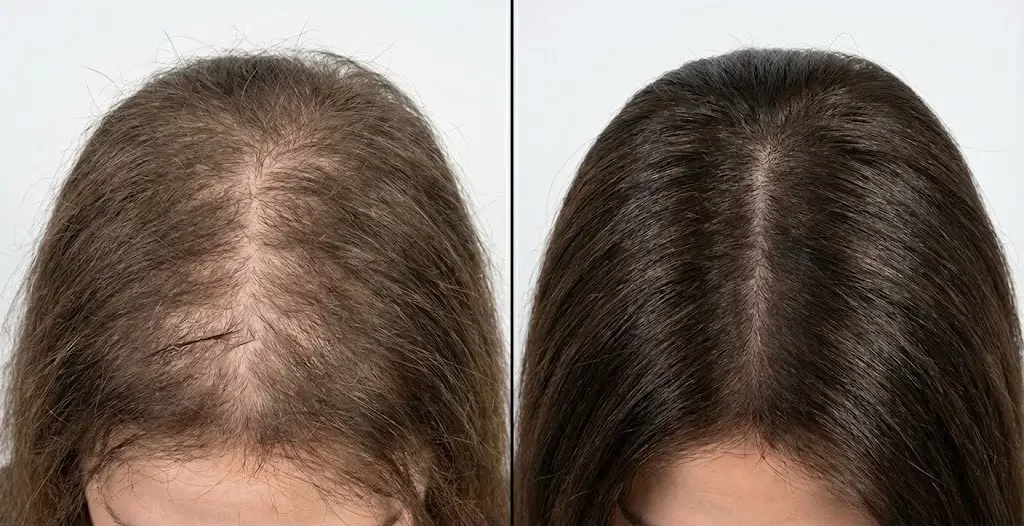
Low Ferritin and Telogen Hair Shedding: The Overlooked Mineral Connection is an important topic for individuals experiencing persistent hair shedding without an obvious explanation. Telogen effluvium is a common form of temporary hair loss in which an increased proportion of hair follicles prematurely enter the resting (telogen) phase of the growth cycle, resulting in noticeable shedding several weeks or months after a triggering event. Iron plays an essential role in cellular metabolism, oxygen transport and processes involved in rapidly dividing cells. Ferritin, a protein responsible for storing iron, provides an indication of the body’s iron reserves. When these reserves become depleted, normal physiological processes may be affected, potentially contributing to hair shedding in susceptible individuals. Understanding ferritin levels, interpreting blood test results correctly and addressing nutritional deficiencies can help establish a more effective approach to maintaining healthy hair.
Hair follicles are metabolically active structures that require an adequate supply of nutrients to support continuous growth. Iron contributes to oxygen transport through haemoglobin and supports enzymes involved in DNA synthesis and cellular energy production.
Ferritin stores iron inside cells and releases it when the body requires it. Low ferritin can indicate depleted iron reserves, sometimes before haemoglobin levels fall enough to produce anaemia.
During the anagen phase, hair follicles undergo active cellular growth. Insufficient iron availability may interfere with normal cellular activity, although the precise biological relationship between iron deficiency and follicular cycling remains under investigation.
Telogen effluvium typically develops when a physiological or environmental trigger disrupts the normal hair cycle. Common triggers include significant illness, surgery, childbirth, psychological stress, restrictive diets and nutritional deficiencies.
Iron deficiency is recognised as a possible contributing factor, particularly in women experiencing heavy menstrual bleeding or inadequate dietary iron intake. However, not every individual with low ferritin develops hair loss, and not every case of telogen effluvium is associated with iron deficiency.
The relationship between low ferritin and hair shedding should therefore be assessed alongside other possible causes, including thyroid dysfunction, medication changes and recent illness.
In the UK, ferritin is commonly measured through a blood test requested by a GP when iron deficiency is suspected. NHS laboratory reference intervals can vary depending on the laboratory, testing method, age and clinical circumstances.
A ferritin concentration below approximately 15 micrograms per litre (µg/L) is generally strongly indicative of depleted iron stores in otherwise healthy adults. Values below approximately 30 µg/L can also indicate iron deficiency, depending on the clinical context.
However, ferritin is an acute-phase protein, meaning inflammation, infection and certain chronic conditions can increase its concentration. Consequently, a seemingly normal ferritin result does not always exclude iron deficiency. A healthcare professional may interpret ferritin alongside a full blood count, transferrin saturation and inflammatory markers such as C-reactive protein (CRP).
Hair-related discussions frequently mention ferritin targets of 40, 50 or even 70 µg/L. However, there is currently no universally accepted, scientifically established ferritin threshold that guarantees healthy hair density or prevents shedding.
Some observational studies have identified associations between lower iron stores and hair loss, but findings are inconsistent. Evidence that raising ferritin above standard clinical sufficiency levels directly improves hair growth remains limited.
The appropriate objective is to identify and correct genuine iron deficiency rather than pursue an arbitrary hair-specific laboratory target. Individual results should always be interpreted in relation to symptoms, medical history and other blood parameters.
Vitamin C supports normal iron absorption by improving the availability of non-haem iron, which is primarily found in plant-based foods and fortified products.
Combining iron-containing meals with vitamin C-rich foods can therefore be a practical dietary strategy. Examples include adding citrus fruits, strawberries, peppers or broccoli to meals containing lentils, beans or leafy vegetables.
Vitamin C also contributes to the protection of cells against oxidative stress and supports normal collagen formation.
Zinc is an essential mineral involved in protein synthesis, cell division and normal tissue maintenance. These functions are particularly relevant to hair follicles because their cells undergo rapid and continuous activity.
Insufficient zinc intake may contribute to hair changes, but excessive supplementation can interfere with copper absorption and cause additional health problems.
A balanced diet containing eggs, seafood, meat, legumes, nuts and seeds can help provide adequate zinc. For further information, explore [nutritional treatments for weak hair roots].
When blood tests confirm iron deficiency, supplementation may be recommended by a healthcare professional. The choice of formulation should consider the amount of elemental iron, tolerability, absorption and individual requirements.
Common oral iron preparations include ferrous sulphate, ferrous fumarate and ferrous gluconate. Some individuals experience gastrointestinal side effects, including constipation, nausea or abdominal discomfort. Taking supplements according to professional guidance and following the recommended dosage can help improve tolerability.
It is important to distinguish between iron supplementation and broader hair-focused nutritional support. Not all hair supplements contain iron, and adding iron without confirmed deficiency is not advisable because excessive iron accumulation can be harmful.
Hair-focused nutritional formulations may provide complementary nutrients such as zinc, biotin, vitamin C and other essential micronutrients. These ingredients contribute to normal physiological functions, including protein metabolism, antioxidant protection and cellular maintenance.
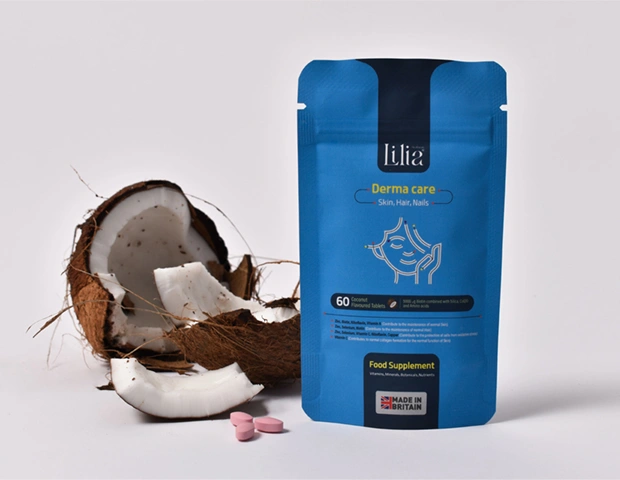
Lilia Healthcare offers targeted nutritional products for individuals looking to support their hair and general nutritional wellbeing. Its [Shop Lilia Derma Care Online] product page provides further information about its formulation and ingredients.
Before combining a hair supplement with prescribed iron, check the ingredient quantities to avoid unnecessary duplication or excessive intake. Supplementation should address identified nutritional needs rather than replace a varied diet or appropriate medical investigation.
Addressing persistent hair shedding requires a structured approach that identifies underlying triggers and restores nutritional balance where deficiencies exist. Start by arranging a GP assessment and requesting appropriate blood tests, including ferritin and a full blood count; consider additional investigations such as thyroid function, vitamin B12 and vitamin D when clinically indicated. If iron deficiency is confirmed, follow a healthcare professional’s recommended supplementation plan and include iron-rich foods such as lean meat, lentils and beans alongside vitamin C sources to support absorption. Maintain adequate protein intake, consume zinc-containing foods and avoid unnecessary high-dose supplements. Practise gentle hair care, minimise excessive heat styling and allow sufficient time for recovery, as improvements in shedding and visible hair density may take several months. Monitor symptoms and arrange follow-up testing when advised rather than relying on arbitrary ferritin targets. With consistent nutritional support, appropriate treatment of underlying deficiencies and professional guidance, it is possible to create better conditions for normal hair growth. For additional nutritional information and targeted hair wellness products, visit the [Lilia Healthcare online store].