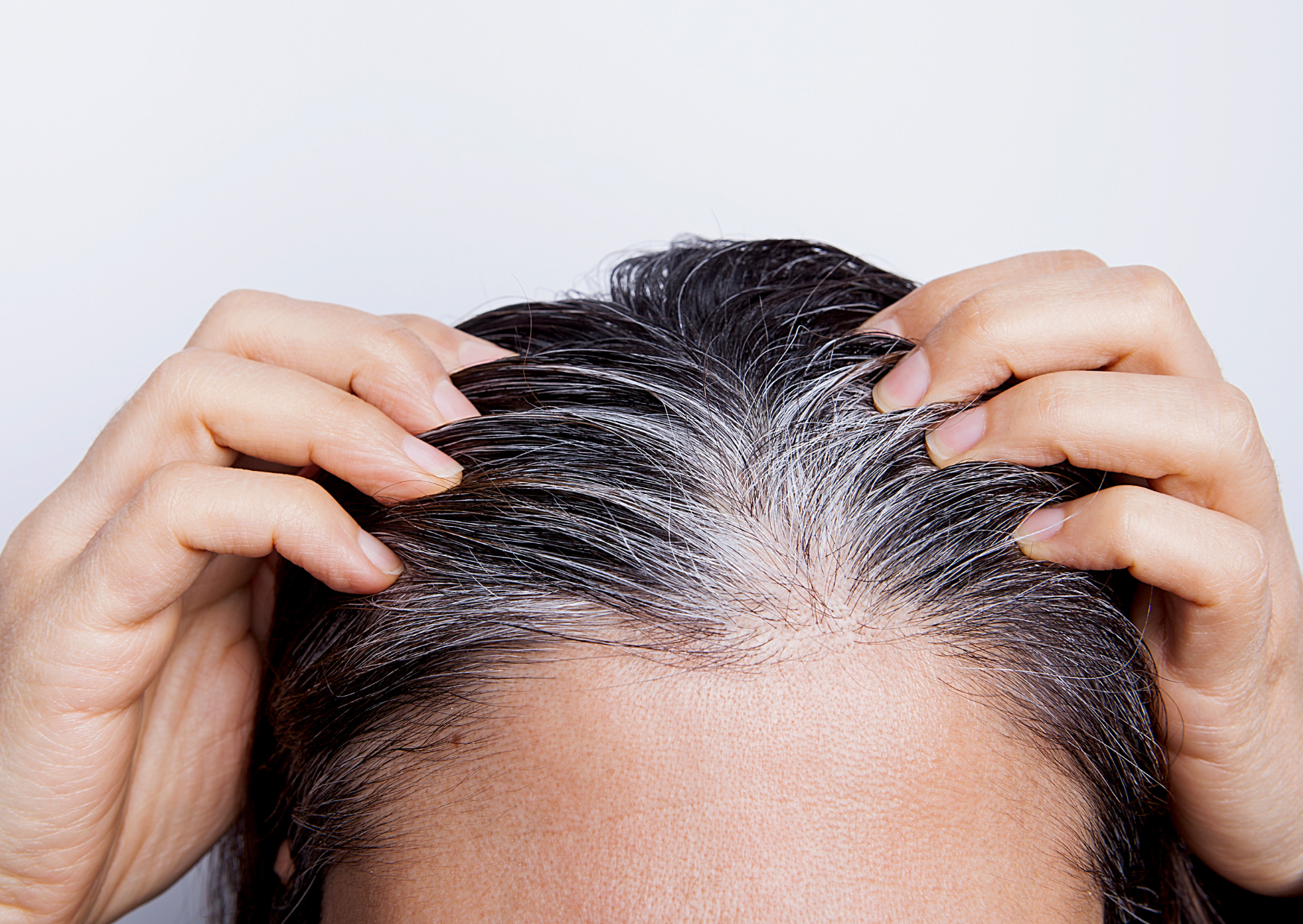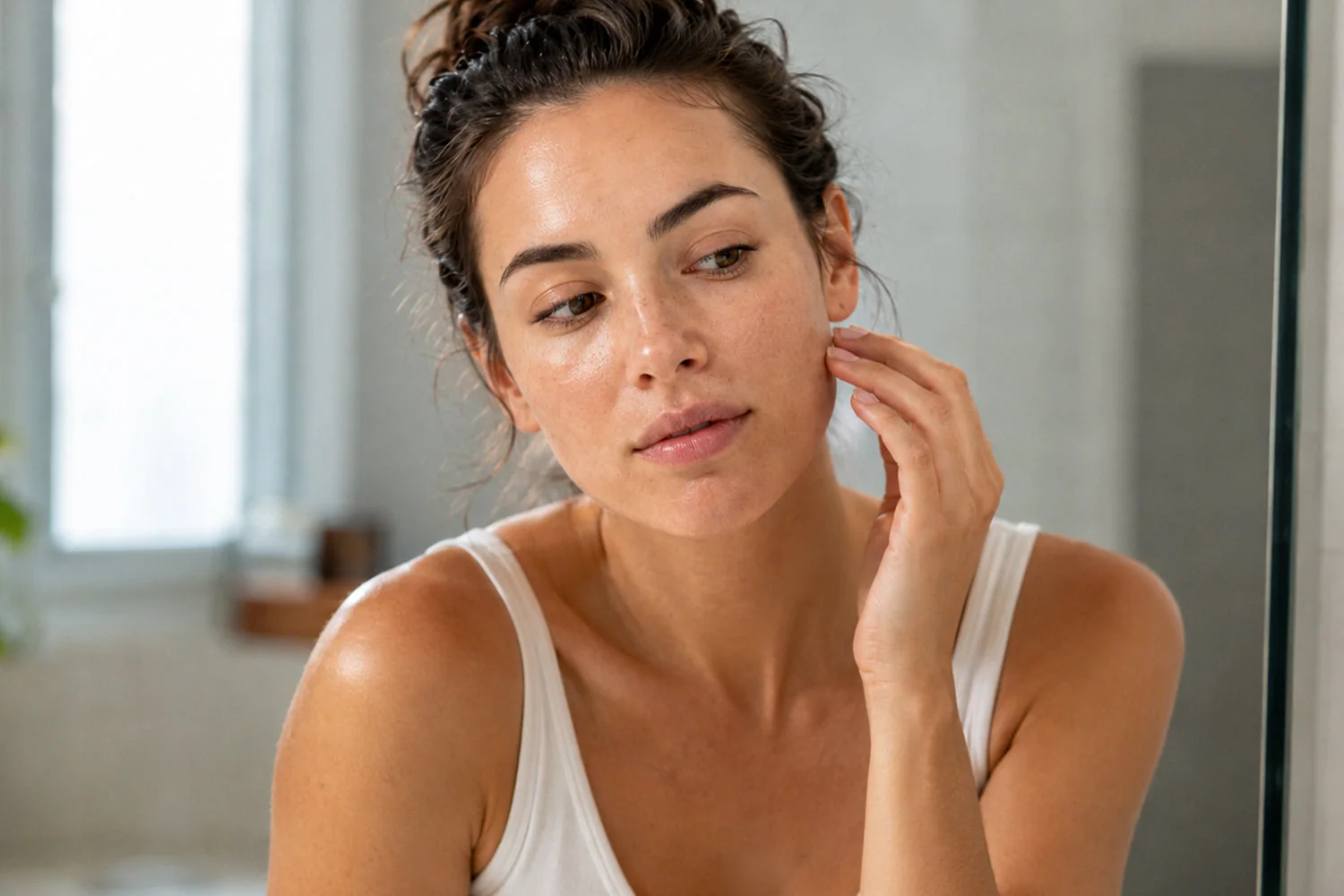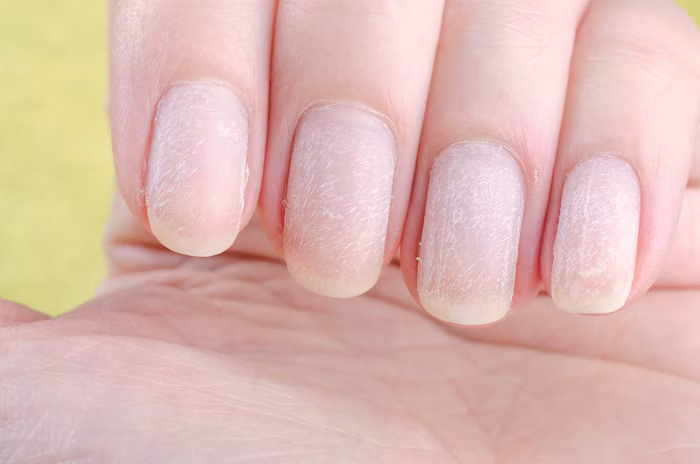
Repairing Damaged Nails After Acrylics and Gel: Internal Keratin Recovery requires addressing the structural nail matrix beneath the surface. Repeated acrylic applications, gel manicures and aggressive removal techniques can leave natural nails thin, brittle and prone to splitting. Mechanical peeling damages the tightly connected layers of the nail plate, while prolonged exposure to dehydrating products reduces flexibility and increases breakage. Acetone, commonly used to dissolve artificial nail products, can further strip surface lipids and contribute to dryness around the nails and cuticles. Although moisturising treatments may temporarily improve their appearance, restoring stronger nails requires protecting the existing nail plate, supporting healthy growth and providing the nutrients involved in keratin production.
Healthy nails are primarily composed of keratin, a structural protein that provides strength and helps protect the fingertips. Nail growth begins in the nail matrix, a specialised tissue located beneath the proximal nail fold. Cells within this region multiply, mature and gradually become compacted into the hard nail plate.
The visible nail plate consists of three interconnected layers, with tightly packed keratinised cells providing structural stability. Damage to these layers can cause peeling, surface irregularities and increased sensitivity.
Unlike skin, the visible nail plate is composed of non-living cells. Therefore, once an area becomes damaged, it cannot biologically repair itself. Improvement occurs as new nail tissue develops in the matrix and gradually replaces the damaged portion.
The condition of the nail matrix influences the quality of newly produced nail tissue. Adequate protein intake, essential micronutrients and healthy circulation contribute to normal nail growth.
Fingernails generally grow approximately 3 mm per month, meaning complete replacement of a damaged nail plate can take several months.
Cuticle oils and moisturising treatments are valuable components of nail care, particularly after repeated exposure to acrylics and gel products. However, their benefits should not be confused with internal structural regeneration.
Ingredients such as jojoba oil, vitamin E and plant-based emollients help condition the nail surface and surrounding skin. They can reduce dryness, improve flexibility and minimise friction that contributes to further breakage.
Topical products primarily work on the existing nail plate and surrounding tissues. They cannot rebuild damaged keratin layers or directly stimulate the production of healthier nail cells within the matrix.
For this reason, an effective routine should combine external protection with appropriate nutritional support.
To repair nails after acrylics, consider the following practices:
These measures help protect the remaining nail plate while healthier growth gradually replaces damaged tissue.
Nail health depends on several nutrients involved in protein metabolism, cellular development and antioxidant protection. Biotin, zinc and selenium have distinct biochemical functions that contribute to normal physiological processes.
Biotin, also known as vitamin B7, is a water-soluble vitamin that functions as a cofactor for several enzymes involved in carbohydrate, fat and protein metabolism.
It supports normal cellular metabolic activity, which is essential for maintaining healthy tissues. Biotin deficiency can contribute to brittle nails, although true deficiency is relatively uncommon.
Some clinical studies suggest that biotin supplementation may improve nail thickness and reduce brittleness in certain individuals. However, the available evidence is limited, and high doses are not necessary for everyone.
It is also important to recognise that biotin supplements can interfere with certain laboratory tests, including some thyroid and cardiac biomarker assays. Healthcare professionals should be informed about supplementation before blood testing.
Zinc is an essential trace mineral involved in DNA synthesis, protein production and cell division. These functions are particularly relevant to rapidly developing tissues, including those responsible for nail growth.
Insufficient zinc intake may contribute to brittle nails, white spots and impaired tissue development.
Maintaining adequate zinc levels supports normal cellular function and the processes involved in producing healthy nail tissue. However, excessive supplementation can interfere with copper absorption and cause other adverse effects.
Selenium contributes to the activity of selenoproteins, including enzymes involved in antioxidant defence.
These enzymes help protect cells against oxidative damage and support normal thyroid function, which is involved in regulating metabolism.
Although selenium is important for general health, there is no established evidence that high-dose selenium supplementation directly accelerates nail regeneration. Excessive intake can actually cause hair and nail abnormalities, making appropriate dosing essential.
Nail recovery is a gradual process. A structured 60-day routine can help reduce further damage and support healthier growth, although complete nail replacement generally takes longer.
Days 1–15: Protection and Hydration
The first two weeks should focus on preventing additional mechanical damage. Remove artificial nails safely, avoid aggressive manicures and keep natural nails short.
Apply cuticle oil daily and use a moisturising hand cream after washing. Avoid frequent acetone exposure and protect your hands from prolonged contact with water and cleaning products.
Days 16–30: Nutritional Support
During the second phase, prioritise a balanced diet containing adequate protein, eggs, legumes, nuts, seeds and vegetables.
Assess whether your usual diet provides sufficient biotin, zinc and selenium. Supplementation may be appropriate when dietary intake is inadequate or a deficiency is identified.
Maintain consistent cuticle care and avoid returning to artificial nail applications prematurely.
Days 31–60: Strength and Growth Maintenance
By the second month, new nail growth may become more noticeable near the cuticle. Continue protective habits, moisturising treatments and appropriate nutritional intake.
Avoid interpreting early improvements as complete recovery. The damaged distal portion of the nail may remain visible until it grows out and can be safely trimmed.
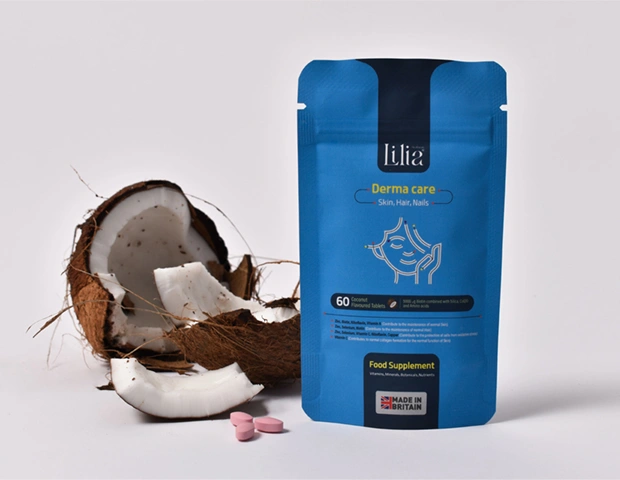
A comprehensive approach combines external protection with nutritional support. Lilia Healthcare offers Derma Care Capsules as an option to explore within a broader beauty and wellness routine.
Before choosing a supplement, review its ingredient composition, recommended dosage and suitability for your nutritional needs. Individuals with persistent nail abnormalities, significant discolouration, pain or unexplained brittleness should seek medical assessment rather than relying exclusively on supplements.
Recovering damaged nails after acrylics and gel requires consistency rather than quick cosmetic solutions. The most effective routine combines three essential priorities: protecting the existing nail plate from mechanical and chemical damage, maintaining hydration through regular cuticle care, and supporting normal keratin production with adequate nutrition. Biotin, zinc and selenium each contribute different aspects of cellular and metabolic health, but supplementation should remain appropriate and evidence-based. With patience and consistent care over 60 days and beyond, healthier new growth can gradually replace damaged nail tissue, helping restore stronger, smoother and more resilient natural nails.