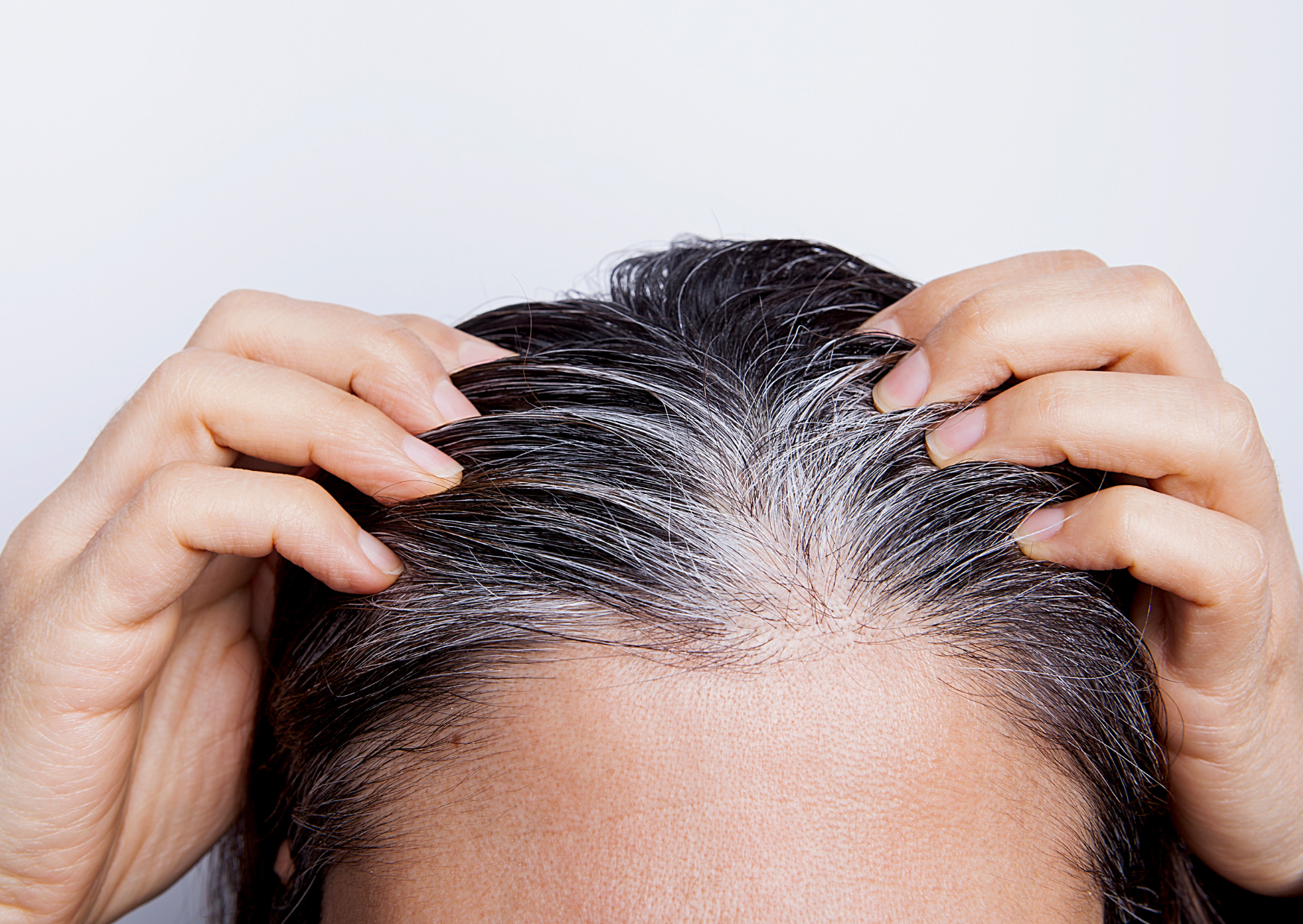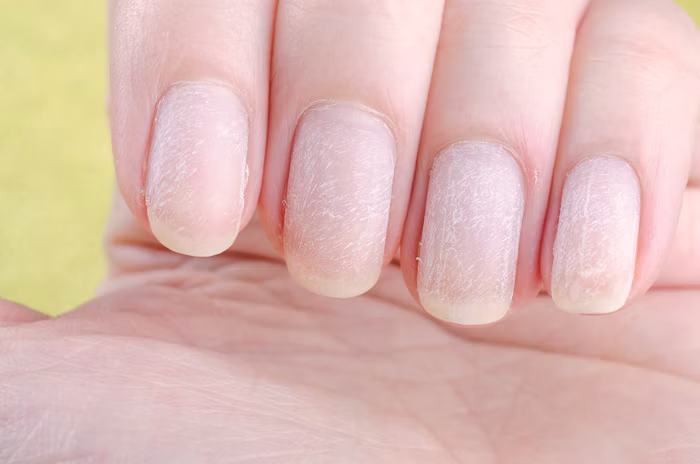
Cellular Hydration vs Topical Creams: Feeding the Dermal Matrix from Within illustrates why lasting epidermal radiance cannot be achieved through lotions alone. The skin relies on several interconnected structures to maintain moisture, elasticity and a healthy appearance. The stratum corneum, the outermost epidermal layer, acts as a protective barrier that limits water loss and shields against environmental irritants. Deeper within the dermis, glycosaminoglycans (GAGs), particularly hyaluronic acid, help bind water and maintain tissue hydration. While topical creams primarily support the skin’s surface barrier, internal nutritional processes contribute to the formation and maintenance of the structures responsible for skin health. Understanding these differences highlights the importance of combining external skincare with adequate nutrition and hydration.
Transepidermal water loss (TEWL) refers to the continuous, passive movement of water from deeper skin layers through the epidermis and into the surrounding environment.
This process is a normal physiological function. However, excessive TEWL can indicate impaired skin barrier integrity, contributing to dryness, rough texture and increased sensitivity.
The stratum corneum consists of flattened, keratin-filled cells surrounded by a lipid matrix containing ceramides, cholesterol and fatty acids. This structure is often compared to a brick-and-mortar system, with skin cells acting as bricks and lipids providing the surrounding mortar.
When this protective arrangement becomes compromised, moisture escapes more easily.
Several factors can increase TEWL:
Topical moisturisers help address these problems by replenishing surface lipids, attracting water and reducing evaporation. Ingredients such as glycerin, ceramides and hyaluronic acid can improve skin hydration without requiring systemic absorption.
However, maintaining deeper skin structures involves additional biological processes that topical products alone cannot fully address.
The dermis contains collagen fibres, elastin, fibroblasts and an extracellular matrix that provides structural support.
One of its important components is hyaluronic acid, a naturally occurring glycosaminoglycan capable of binding substantial amounts of water.
Hyaluronic acid contributes to tissue hydration, skin volume and the mechanical properties of the extracellular matrix.
Hyaluronic acid is synthesised by specialised enzymes known as hyaluronic acid synthases (HAS). These enzymes use cellular building blocks, including UDP-glucuronic acid and UDP-N-acetylglucosamine, to produce hyaluronic acid.
This process depends on normal cellular metabolism and the availability of essential nutrients.
Although certain nutritional compounds support the biological processes involved in maintaining healthy skin, oral hyaluronic acid supplements and micronutrients should not be described as directly stimulating dermal production in every individual.
A balanced nutritional approach supports the broader physiological environment required for normal tissue maintenance.
Skin health depends on a combination of macronutrients, vitamins and minerals. Adequate nutritional intake helps maintain cellular function, protein synthesis and the structural components of the dermal matrix.
Vitamin C is an essential micronutrient involved in collagen synthesis. It acts as a cofactor for enzymes responsible for stabilising collagen molecules.
Collagen provides structural support within the dermis and contributes to skin firmness.
Vitamin C also functions as an antioxidant, helping protect cells against oxidative stress associated with environmental exposure.
Dietary sources include:
Maintaining adequate vitamin C intake supports normal collagen formation and contributes to healthy skin function.
Zinc is an essential trace mineral involved in DNA synthesis, protein metabolism and cell division.
These functions are important for maintaining healthy skin tissue and supporting normal cellular repair processes.
Zinc also contributes to normal immune function and helps protect cells against oxidative stress.
Insufficient zinc intake may affect skin integrity and wound healing. However, excessive supplementation can interfere with copper absorption and cause adverse effects.
Other nutrients also contribute to skin health.
Vitamin A supports normal cell differentiation, while vitamin E provides antioxidant protection. Essential fatty acids contribute to maintaining the skin’s lipid barrier.
Protein intake is equally important because collagen and other structural proteins depend on an adequate supply of amino acids.
Together, these nutrients support the biological foundations of healthy skin hydration.
The interest in cellular skin hydration supplements reflects growing awareness that skin appearance depends on more than external moisturising products.
Oral formulations may contain vitamins, minerals, antioxidants and other compounds associated with normal skin function.
However, the effectiveness of individual ingredients varies according to formulation, dosage, nutritional status and available clinical evidence.
For example, oral hyaluronic acid has demonstrated potential benefits for skin hydration in some clinical studies, although results should not be interpreted as universal.
A comprehensive approach should prioritise correcting nutritional deficiencies and maintaining adequate dietary intake rather than relying on high-dose supplementation.
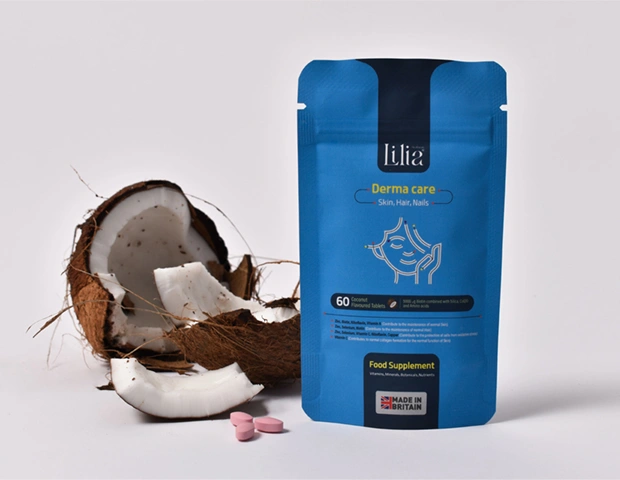
Lilia Healthcare offers Derma Care as a nutritional skincare option that can be considered alongside an appropriate external skincare routine.
Skin renewal and changes in skin appearance occur gradually. The timeline depends on age, nutritional status, environmental exposure and existing skin conditions.
Weeks 1–2: Supporting the Skin Barrier
The initial priority is reducing excessive TEWL through gentle cleansing, regular moisturising and daily sun protection.
Topical products containing ceramides, glycerin and hyaluronic acid can help improve surface hydration. Adequate water intake also supports normal physiological hydration.
Weeks 3–4: Establishing Nutritional Consistency
Consistent dietary intake of vitamin C, zinc, healthy fats and protein helps support normal skin metabolism.
Individuals with inadequate nutrient intake may benefit from addressing these nutritional gaps.
Weeks 5–8: Assessing Visible Changes
With consistent skincare and nutritional habits, some individuals may notice improvements in dryness, texture and overall skin appearance.
However, these changes cannot be guaranteed, and improvements in surface hydration do not necessarily indicate measurable increases in dermal hyaluronic acid or collagen.
Beyond Eight Weeks: Long-Term Maintenance
Maintaining skin health requires ongoing attention to nutrition, sun protection, sleep and barrier care.
For further information about maintaining skin firmness and moisture with age, consider the topic of improving dermal elasticity after 30.
Healthy, radiant skin depends on maintaining both the protective epidermal barrier and the deeper dermal matrix. Topical moisturisers help reduce TEWL and preserve surface hydration, while adequate vitamin C, zinc, protein and essential fatty acids support normal skin structure and cellular function. Consistent hydration, balanced nutrition, gentle skincare and daily sun protection form the foundation of a sustainable routine. Combining internal nutritional support with appropriate topical treatments offers a comprehensive approach to maintaining skin moisture, elasticity and long-term radiance.