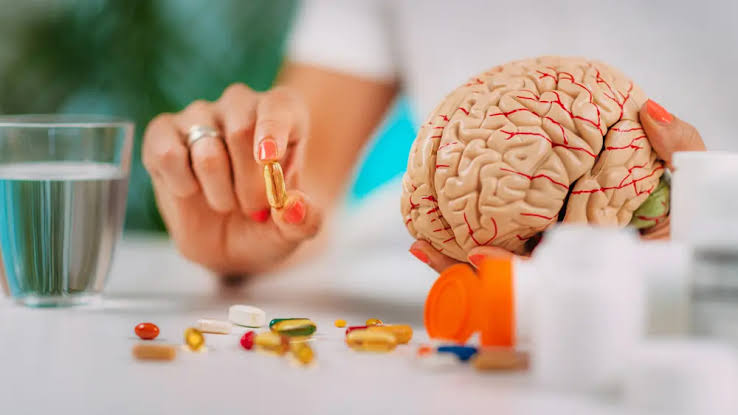
The Impact of Oxidative Stress on Skin Ageing and How to Fight It starts with understanding what happens inside the skin when free radicals become too difficult for the body’s natural defence systems to manage. Although oxidative stress is a natural biological process, excessive or prolonged oxidative stress can contribute to cellular damage and the visible signs associated with skin ageing.
From ultraviolet radiation and air pollution to smoking, poor lifestyle habits and the natural ageing process, the skin is exposed to numerous factors that can increase oxidative stress. Understanding these factors can help you make more informed decisions about skincare, nutrition and everyday protection.
This guide explains the relationship between oxidative stress skin ageing, the main sources of free radicals, how antioxidants work and what you can do to support your skin from both inside and outside.
Oxidative stress occurs when there is an imbalance between reactive molecules, including reactive oxygen species (ROS), and the body’s antioxidant defence systems.
ROS are naturally produced during normal cellular processes. They are not automatically harmful and have important biological roles. The problem arises when their production becomes excessive or the body’s ability to neutralise them is insufficient.
Skin is particularly exposed to oxidative stress because it acts as the body’s outer protective barrier. It comes into direct contact with environmental factors such as sunlight and air pollution while also experiencing internally generated oxidative processes.
The relationship between oxidative stress skin ageing is particularly important because excessive ROS can affect different components of skin cells and tissues.
Oxidative processes can affect proteins, lipids and DNA within cells. They can also influence biological pathways involved in inflammation and the breakdown of components of the extracellular matrix.
Over time, these processes may contribute to characteristics associated with ageing skin, including changes in texture, elasticity, uneven pigmentation and the development of fine lines and wrinkles.
This is one reason oxidative stress is considered an important factor in both intrinsic and environmentally influenced skin ageing.
Ultraviolet radiation is one of the most significant external sources of oxidative stress affecting the skin.
When UV radiation reaches skin cells, it can stimulate the formation of reactive oxygen species. These molecules can trigger a series of cellular responses that contribute to photoageing.
UV exposure is associated with changes in collagen and other components of the extracellular matrix, which can affect the structure and appearance of ageing skin.
This makes daily sun protection an important part of any strategy designed to reduce environmentally driven skin ageing.
The skin is also exposed to pollutants present in the environment. Particulate matter, ozone and other pollutants can contribute to oxidative processes at the skin’s surface.
Research suggests that pollution can interact with other environmental stressors, including UV radiation, potentially increasing oxidative damage and contributing to signs of extrinsic skin ageing.
This can be particularly relevant for people living in busy urban environments, where the skin may be exposed to multiple environmental stressors throughout the day.
While it is impossible to eliminate exposure completely, reducing avoidable exposure and maintaining an appropriate skincare routine can help support the skin barrier.
Smoking introduces numerous chemicals and free radicals into the body and is associated with oxidative stress.
For the skin, smoking can contribute to processes associated with premature ageing and can affect the skin’s overall appearance. It is therefore another lifestyle factor worth considering when discussing oxidative stress skin ageing.
Avoiding smoking is one of the most meaningful lifestyle choices for overall health and can also reduce exposure to a major source of oxidative stress.
Antioxidants are part of the body’s natural defence system against oxidative processes. They work through different mechanisms to help control reactive molecules and limit oxidative damage.
The skin contains its own antioxidant network, including enzymes and smaller antioxidant molecules. However, these protective systems can be affected by factors such as ageing and environmental exposure.
Antioxidants can come from food and, in some circumstances, from supplements or topical skincare products. Importantly, antioxidants are not all identical, and their effects depend on factors such as the specific antioxidant, concentration, formulation and route of delivery.
Vitamin C is one of the best-known dietary antioxidants. It contributes to normal collagen formation for the normal function of skin and also contributes to the protection of cells from oxidative stress.
Foods such as oranges, berries, peppers, broccoli and other fruit and vegetables can provide vitamin C.
Including a variety of vitamin C-rich foods in your diet is therefore a practical way to support normal nutritional intake while providing antioxidant nutrients as part of a balanced eating pattern.
Vitamin E is another antioxidant nutrient commonly associated with skin health.
It helps protect cells from oxidative stress and is found naturally in foods including nuts, seeds and certain vegetable oils.
Vitamin E is also frequently used in topical skincare formulations. However, the effectiveness of topical antioxidants depends on the formulation, stability and ability of the ingredient to reach the relevant skin layers.
For everyday nutrition, obtaining vitamin E from a varied diet is generally preferable to focusing on a single nutrient.
Selenium is a trace mineral with an important role in antioxidant defence.
It contributes to the protection of cells from oxidative stress and is involved in the normal function of several antioxidant enzymes.
Dietary sources include fish, meat, eggs, dairy products and certain nuts. Because selenium intake can vary according to food choices and other factors, supplements should be used responsibly and according to their recommended serving.
More is not necessarily better when it comes to antioxidant nutrients.
Coenzyme Q10, commonly known as CoQ10, is a naturally occurring compound involved in cellular energy production. It also has antioxidant properties and has attracted interest in research into skin ageing.
Research on antioxidants and skin ageing has investigated CoQ10 among several other antioxidant compounds because oxidative processes are involved in skin ageing.
However, it is important to distinguish between laboratory findings, topical cosmetic applications and evidence from human supplementation studies. An ingredient having antioxidant activity does not automatically mean that a supplement will reverse visible signs of ageing.
Nutrition is an important part of supporting the body’s natural antioxidant systems.
A varied diet containing plenty of fruit and vegetables provides vitamin C, carotenoids, polyphenols and other compounds associated with antioxidant activity. Nuts, seeds, wholegrains, legumes and fish can also contribute a wide range of nutrients.
Rather than searching for one “best” antioxidant food, aim for variety. Different foods provide different nutrients, and a diverse diet is more likely to provide broad nutritional support.
This approach is more sustainable than relying on large doses of individual supplements.
Supplements can provide specific nutrients when dietary intake may not be sufficient or when a product is designed to complement an individual’s nutritional routine.
However, supplements should not be viewed as a replacement for a varied diet or as a treatment for skin ageing.
When choosing a supplement, consider the complete formulation rather than focusing on one ingredient. Check the amounts provided per serving and consider whether you are already taking another product containing the same vitamins or minerals.
A well-designed nutritional formula can be one part of a broader approach to maintaining normal skin health.
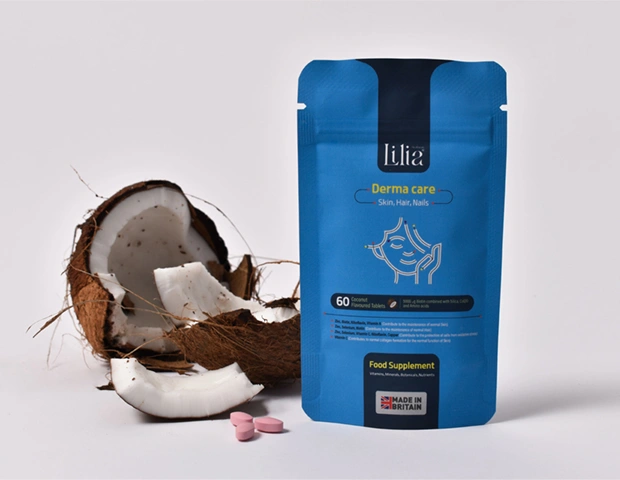
For people interested in nutritional support for skin, hair and nails, Lilia Derma Care combines several vitamins, minerals and other ingredients in one daily formula.
Its formulation includes vitamin C, selenium, zinc, CoQ10 and other nutrients. Vitamin C contributes to the protection of cells from oxidative stress, while selenium contributes to the protection of cells from oxidative stress as well.
The formula also contains 5,000 mcg of biotin together with silica, PABA, L-cysteine and L-arginine, providing a broader nutritional approach rather than focusing exclusively on one antioxidant.
As with any food supplement, it should be used according to the product directions and alongside a varied, balanced diet and healthy lifestyle.
One important point when discussing oxidative stress skin ageing is that protection from the outside and nutritional support from within are not interchangeable.
Topical products can be applied directly to the skin and may contain ingredients such as antioxidants, retinoids or moisturising agents. Their effects depend heavily on the formulation and how the active ingredients are delivered.
Nutritional support works differently. Vitamins and minerals are absorbed through the digestive system and participate in normal physiological processes throughout the body.
For this reason, a comprehensive approach can include both appropriate topical skincare and good nutritional habits rather than expecting one product to solve every aspect of skin ageing.
Antioxidants should not be considered a replacement for sunscreen.
UV radiation is a major contributor to photoageing, so limiting unnecessary UV exposure and using appropriate broad-spectrum sun protection remain fundamental parts of protecting the skin.
Protective clothing, seeking shade and avoiding prolonged direct sunlight can also reduce exposure.
Even the best nutritional routine cannot eliminate the effects of excessive UV exposure, which is why prevention remains an important part of a long-term skin-health strategy.
Skin health is influenced by more than skincare products and supplements.
Poor sleep, smoking, excessive alcohol consumption, an unbalanced diet and prolonged exposure to environmental pollutants can all contribute to an unfavourable environment for overall health.
Regular physical activity, adequate sleep, a varied diet and avoiding smoking are therefore useful foundations for general wellbeing.
These habits are not quick anti-ageing treatments. Instead, they support the body’s normal physiological processes over the long term.
A practical approach does not need to involve dozens of products.
Start with daily sun protection and gentle cleansing. Use a moisturiser appropriate for your skin type to support the skin barrier and consider evidence-based topical ingredients according to your individual needs.
From the nutritional side, focus on a varied diet rich in fruit, vegetables, wholegrains, legumes, nuts and other nutrient-dense foods.
If you choose to use a supplement, select one with transparent ingredient information and sensible serving amounts. Avoid combining multiple products without checking their nutritional content.
This balanced approach is more realistic than trying to eliminate every source of oxidative stress.
No. Oxidative processes are part of normal biology and cannot be completely eliminated.
The objective is not to remove every reactive oxygen species from the body. Instead, the goal is to support the body’s natural antioxidant and repair systems while reducing unnecessary exposure to avoidable environmental stressors.
This distinction matters because some marketing messages present antioxidants as if they can completely stop ageing. Ageing is a complex biological process involving genetics, cellular changes, environmental exposure and many other factors.
Oxidative stress is one contributor, not the entire explanation.
The Impact of Oxidative Stress on Skin Ageing and How to Fight It is ultimately about balance. Oxidative stress is a normal part of biology, but excessive oxidative pressure from UV radiation, pollution, smoking and other environmental factors can contribute to processes associated with skin ageing.
The most practical strategy is therefore not to search for a single miracle antioxidant. Instead, combine sensible sun protection, a varied nutrient-rich diet, healthy lifestyle habits and appropriate skincare.
For those looking for nutritional support that includes antioxidant-related nutrients alongside a broader formula for skin, hair and nails, explore Lilia Healthcare UK and discover Lilia Derma Care as part of a balanced approach to long-term wellbeing.