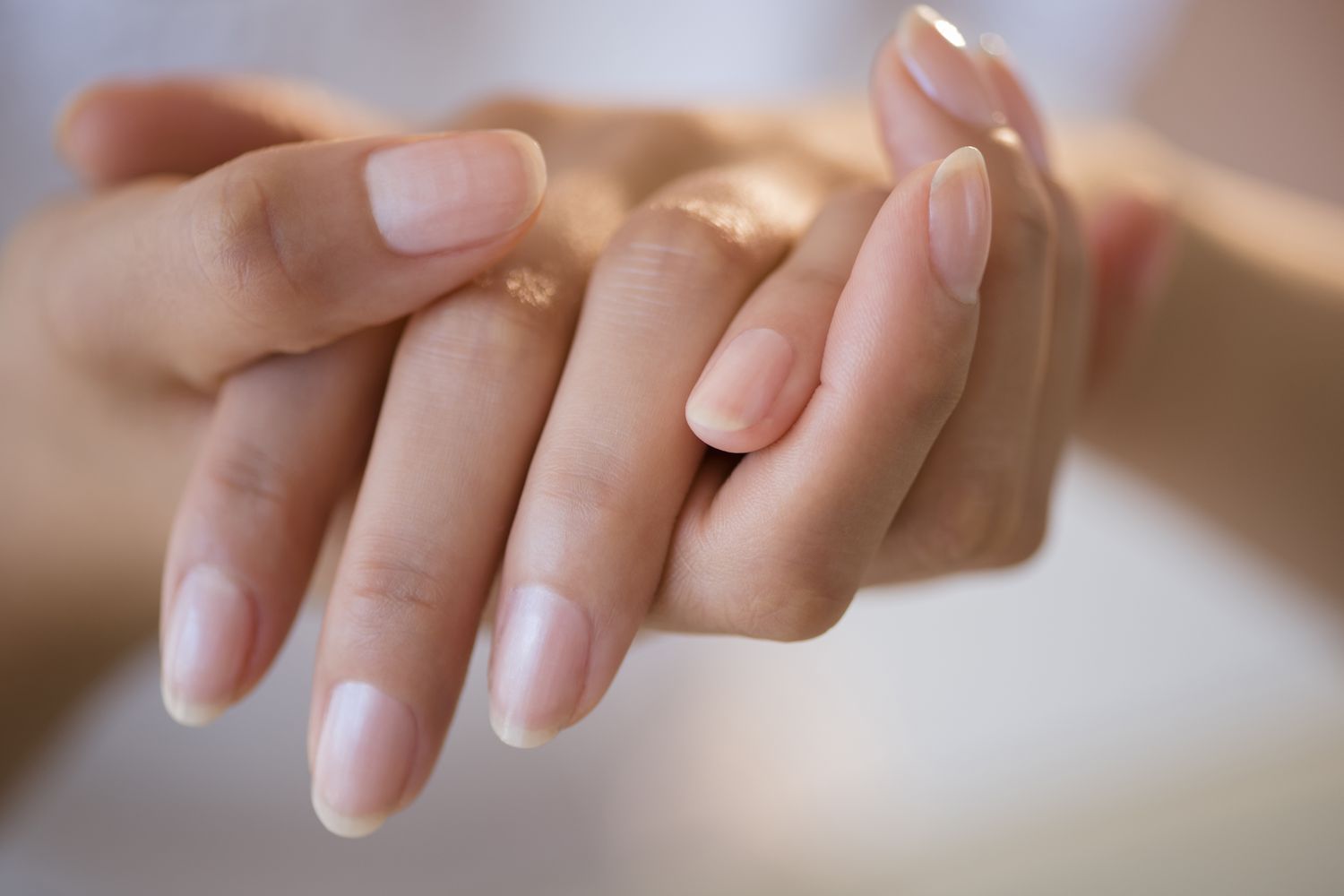
How to Strengthen Brittle Nails from the Inside Out starts with understanding that healthy-looking nails are influenced by more than what you apply to them. Nail strength can be affected by nutrition, hydration, everyday habits and exposure to chemicals or repeated wetting and drying.
If your nails split, peel, crack or break easily, improving your diet can be one part of a more complete nail-care routine. The body needs a range of vitamins, minerals, protein and other nutrients to support normal nail growth and maintenance.
This guide explains how nutrition can support brittle nails, which nutrients are worth paying attention to and what everyday habits can help protect your nails from unnecessary damage.
Brittle nails can develop for many different reasons. Frequent contact with water, household cleaning products, nail polish remover and other chemicals can weaken the nail over time. Repeated manicures, artificial nails and excessive filing may also contribute to splitting or breakage.
Nutrition can also play a role. The nails are made primarily from keratin, a tough structural protein, so adequate protein and overall nutrition are important for normal nail formation.
However, brittle nails are not always caused by a nutritional deficiency. Changes in nail appearance can sometimes be associated with ageing, skin conditions, certain medical conditions or other factors.
Understanding the possible cause is therefore important before assuming that a particular supplement is the answer.
Nutrition provides the building blocks and micronutrients the body needs for normal growth and tissue maintenance. Nails grow continuously from the nail matrix, the area beneath the skin at the base of the nail.
Because nail growth is gradual, changes in nutrition do not usually produce an immediate visible difference. The newly formed nail needs time to grow forward before improvements can be seen.
This is why strengthen brittle nails nutrition strategies should focus on consistent dietary habits rather than short-term fixes.
A balanced eating pattern that supplies adequate protein, vitamins and minerals can support general health and provide the nutrients needed for normal nail growth.
Protein is particularly relevant when considering nail nutrition because nails are largely composed of keratin, a structural protein.
Good dietary sources of protein include eggs, fish, poultry, dairy products, beans, lentils, tofu, nuts and seeds. Including a variety of protein sources can help support adequate nutritional intake.
This does not mean that eating more protein automatically makes nails stronger. If your normal diet already provides sufficient protein, simply increasing your intake is unlikely to provide an additional nail-specific benefit.
The goal is to maintain a balanced diet that provides enough protein alongside a wide range of other nutrients.
Biotin, also known as vitamin B7, is one of the most recognised nutrients in nail supplements.
Biotin contributes to the maintenance of normal skin and is commonly included in beauty-focused nutritional formulas. It is naturally present in foods such as eggs, nuts, seeds and certain vegetables.
Biotin supplements are sometimes promoted specifically for brittle nails. Some research has reported improvements in nail thickness or reduced splitting in people with brittle nails, although the evidence base is relatively limited and does not mean that everyone with brittle nails needs extra biotin.
The important distinction is between supporting normal nutrition and claiming that a supplement can guarantee stronger nails.
Zinc is an essential mineral involved in numerous biological processes. It contributes to the maintenance of normal skin and also plays a role in normal protein synthesis.
Foods containing zinc include meat, shellfish, dairy products, eggs, nuts and seeds. People following vegetarian or vegan diets can also obtain zinc from foods such as beans, lentils, nuts and wholegrains.
Adequate zinc intake is important for overall nutritional health, but taking additional zinc is not necessarily beneficial if your diet already provides enough.
When choosing a supplement, always consider the total amount of zinc you receive from food and other supplements.
Iron is another nutrient that frequently appears in discussions about nail health.
Iron contributes to normal formation of red blood cells and haemoglobin and plays an important role in transporting oxygen around the body. Low iron status can be associated with a range of symptoms, although brittle nails alone do not establish that someone has an iron deficiency.
Some people may be more at risk of iron deficiency than others. If you have persistent symptoms or suspect that your iron levels may be low, it is better to speak with a healthcare professional rather than taking high-dose iron without appropriate advice.
Iron supplements are not suitable for everyone, so identifying the underlying nutritional need is important.
Selenium is another trace mineral worth considering as part of a balanced approach to nail nutrition.
Selenium contributes to the maintenance of normal hair and nails and also contributes to the protection of cells from oxidative stress.
Sources include fish, meat, eggs, dairy products, cereals and Brazil nuts. The amount of selenium in foods can vary, making overall dietary variety useful.
As with other micronutrients, more is not automatically better. Selenium has a relatively narrow range between adequate intake and excessive intake, so supplementation should always follow the recommended serving.
Vitamin C is best known for its role in immune function, but it also contributes to normal collagen formation for the normal function of skin, bones, cartilage and other tissues.
Although collagen is not the main structural protein of the nail itself, vitamin C is an important nutrient within overall connective-tissue nutrition.
Fruit and vegetables are excellent sources of vitamin C. Citrus fruits, berries, peppers, broccoli and leafy green vegetables can all contribute to daily intake.
Eating a colourful variety of fruit and vegetables is therefore a simple way to increase your intake of several vitamins and minerals at the same time.
A nail-friendly diet does not need to be complicated. Instead of focusing on one “superfood”, aim for variety across the main food groups.
A balanced day might include eggs or yoghurt at breakfast, a protein-rich lunch containing beans, chicken or fish, wholegrains and vegetables, followed by fruit, nuts or seeds as snacks.
Regularly eating different foods makes it easier to obtain a broader range of nutrients.
For strengthen brittle nails nutrition, consistency is more useful than making dramatic dietary changes for a few days and then returning to old habits.
Hydration is another part of everyday nail care. Dehydration is not the sole cause of brittle nails, but maintaining adequate fluid intake supports normal bodily functions.
The nails can also become exposed to repeated cycles of wetting and drying, particularly when hands are frequently washed or immersed in water. This type of external exposure can contribute to nail splitting and weakness.
Using gloves during household cleaning and applying a suitable hand and nail moisturiser after washing can help reduce unnecessary exposure and dryness.
Nutrition is only one side of the equation. Your daily nail-care habits can also influence how easily nails break.
Frequent use of acetone-based removers, aggressive buffing, excessive filing and picking at nail polish can increase mechanical or chemical stress.
Artificial nails and gel manicures may also involve filing and removal processes that can temporarily affect the nail plate.
If your nails are already brittle, giving them a break from intensive treatments may help reduce additional damage while they grow out.
Cutting nails regularly can help prevent them from becoming excessively long and catching on clothing or other objects, which may reduce accidental breakage.
However, cutting the nail does not change the strength of the nail being produced by the nail matrix.
Keeping nails at a practical length and filing rough edges gently can nevertheless make them easier to manage.
Use a fine nail file and avoid aggressive back-and-forth filing, particularly if your nails already split easily.
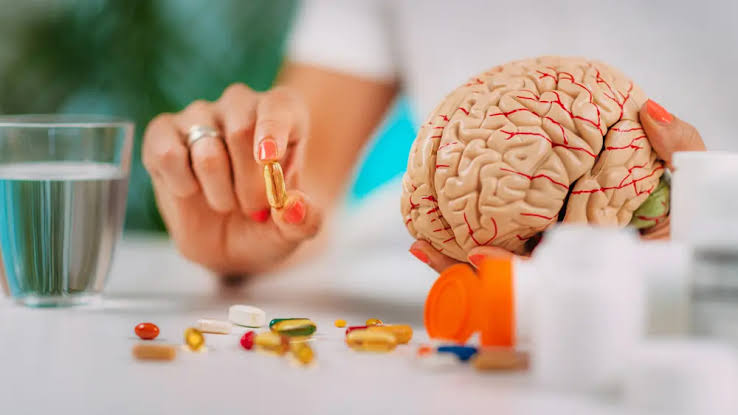
Supplements can be useful when they provide nutrients that complement the diet, particularly when dietary intake may not consistently provide adequate amounts.
However, supplements should not be viewed as a universal treatment for brittle nails. If your diet is already nutritionally adequate, taking additional amounts of individual nutrients may not produce a noticeable difference.
A multi-nutrient formula can be convenient for people who prefer to obtain several nutrients from one product rather than purchasing numerous individual supplements.
Always follow the recommended serving and check whether you are already taking another product containing the same nutrients.
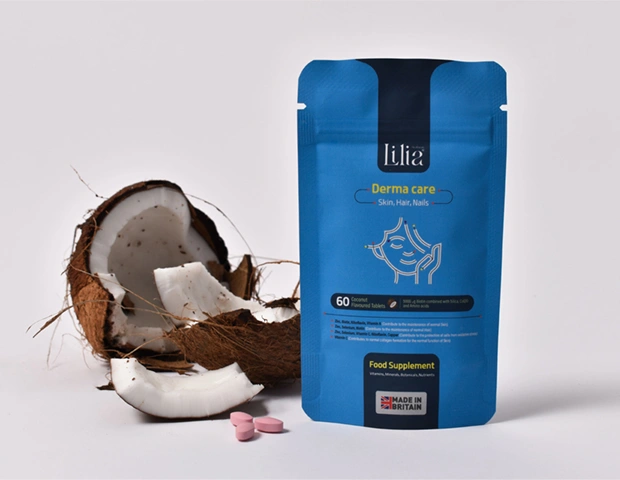
For people interested in nutritional support for hair, skin and nails, Lilia Derma Care provides a combination of ingredients in one daily formula.
Its formulation includes biotin alongside silica, PABA, CoQ10, L-cysteine and L-arginine. Biotin is particularly relevant to discussions about normal skin and hair maintenance, while the broader formulation is designed around beauty-focused nutritional support.
As with any food supplement, it is important to follow the product instructions and consider the supplement as part of an overall balanced lifestyle rather than a replacement for a varied diet.
Nails grow slowly, so changes are not normally visible overnight.
Fingernails generally grow faster than toenails, but the exact rate varies between individuals. Because the visible nail has already formed before it grows out, nutritional and lifestyle changes may take time to become noticeable.
This is why patience is important. Instead of judging your nail health after a few days, focus on maintaining consistent nutrition and reducing habits that may cause unnecessary damage.
If brittle nails continue despite improving your diet and nail-care habits, consider speaking with a GP or other qualified healthcare professional.
Occasional nail breakage is usually not a reason for concern. However, persistent or significant changes deserve more attention, particularly when they appear suddenly or affect multiple nails.
Speak with a healthcare professional if brittle nails occur alongside symptoms such as unusual tiredness, changes in skin colour, unexplained weight changes or other persistent health concerns.
Changes such as severe discolouration, pain, swelling or separation of the nail from the nail bed should also be professionally assessed.
The key is not to assume that every nail problem is caused by a vitamin deficiency.
How to Strengthen Brittle Nails from the Inside Out is ultimately about more than finding one “miracle” nutrient. Strong-looking nails depend on adequate nutrition, normal nail growth and protection from everyday damage.
Protein, biotin, zinc, selenium and other nutrients can all have relevant roles within a balanced diet, while practical habits such as wearing gloves for household cleaning, moisturising regularly and avoiding excessive nail treatments can help protect the nail plate.
If you are looking for convenient nutritional support for your hair, skin and nails, explore Lilia Healthcare UK and discover Lilia Derma Care as part of a balanced approach to everyday beauty and wellbeing.