
Deep Sleep Architecture and Memory Consolidation: Melatonin-Free Nootropics represents a critical frontier in modern executive performance. Sleep is an active neurological process essential for memory formation, emotional regulation and cognitive recovery. Two important stages, rapid eye movement (REM) sleep and slow-wave sleep (SWS), contribute differently to memory consolidation and brain function. Slow-wave sleep, particularly during the N3 stage of non-rapid eye movement (NREM) sleep, supports the consolidation of declarative memories through coordinated neural activity between the hippocampus and cerebral cortex. REM sleep is associated with emotional memory processing, procedural learning and changes in synaptic connections. Together, these stages contribute to synaptic plasticity, the selective strengthening and weakening of neural connections, and processes involved in synaptic refinement. Nutritional strategies that support normal neurological function may complement healthy sleep habits without relying on melatonin-based products or conventional sedative approaches.
Slow-wave sleep is the deepest stage of NREM sleep and is characterised by slow, high-amplitude electrical activity in the brain. During this stage, coordinated slow oscillations, sleep spindles and hippocampal sharp-wave ripples help transfer recently acquired information into longer-term cortical storage.
This process is particularly important for declarative memory, which includes facts, knowledge and personal experiences. Deep sleep also contributes to physiological recovery and the regulation of several metabolic processes.
REM sleep is characterised by increased brain activity, rapid eye movements and vivid dreaming. It plays an important role in emotional memory processing and certain forms of procedural learning.
Rather than simply storing information, the brain continuously adjusts the strength of neural connections. Synaptic plasticity allows relevant information to be reinforced while less useful connections may undergo modification. Both REM and NREM sleep contribute to this complex process, although their precise roles vary according to the type of memory.
The glymphatic system is a proposed brain-wide waste-clearance pathway involving cerebrospinal fluid movement through spaces surrounding blood vessels and the exchange of fluid with the brain’s interstitial environment.
Research, particularly in animal models, suggests that sleep is associated with changes in fluid dynamics that may facilitate the clearance of metabolic waste products, including amyloid-beta. This has generated considerable interest in the relationship between sleep quality and long-term neurological health.
Although human glymphatic function remains an active research area, sufficient sleep is recognised as an important component of normal brain health. Nutritional supplements should not be presented as proven glymphatic enhancers. Maintaining consistent sleep schedules, adequate hydration and general metabolic health provides a more evidence-informed foundation for supporting normal physiological processes.
Acetylcholine is a neurotransmitter involved in attention, learning, memory formation and communication between nerve cells. Its activity changes throughout the sleep-wake cycle.
Cholinergic activity is generally lower during slow-wave sleep and increases substantially during REM sleep and wakefulness. This variation contributes to the different neurological characteristics of each sleep stage.
Supporting normal neurotransmitter function requires adequate nutrition, particularly nutrients involved in energy metabolism and cellular processes. However, increasing acetylcholine activity through supplementation does not automatically improve sleep or memory consolidation. Excessive cholinergic stimulation may interfere with normal sleep patterns in some circumstances.
Adaptogens are plant-derived substances traditionally used to support the body’s response to stress. Some herbs have been investigated for their potential effects on perceived stress, relaxation and sleep quality.
Ashwagandha (Withania somnifera), for example, has been studied for its possible influence on stress-related outcomes. Certain clinical trials report improvements in perceived stress and selected sleep measures, although study quality, extracts and participant populations vary.
Rhodiola rosea has also been investigated in relation to fatigue and stress resilience. However, evidence specifically demonstrating improvements in sleep architecture or memory consolidation remains limited.
Adaptogenic herbs are not universally suitable. Ashwagandha may cause gastrointestinal effects and has been associated with rare liver injury. It may also be unsuitable during pregnancy and for people with certain thyroid or autoimmune conditions. Professional advice is recommended before use, particularly when taking medication.
Phosphatidylserine is a phospholipid naturally found in cell membranes, with particularly important functions in neuronal membrane structure and cellular signalling.
It has attracted research interest because of its potential influence on physiological responses to stress. Some studies have investigated phosphatidylserine supplementation in relation to cortisol responses following physical or psychological stress. However, findings are mixed, and there is insufficient evidence to establish that it reliably lowers evening cortisol or improves deep sleep.
Cortisol follows a natural daily rhythm, generally reaching higher levels around waking and declining throughout the evening. Maintaining a regular sleep schedule and reducing late-night stress may help support this rhythm.
Phosphatidylserine should therefore be viewed as a nutritional ingredient with established cellular functions and emerging research into stress physiology, rather than a proven sleep treatment.
Melatonin-free formulations are designed to provide nutritional support without directly supplying the hormone involved in regulating circadian timing. Some contain B-vitamins, phosphatidylserine and other nutrients associated with normal nervous system function.
Vitamin B6 contributes to normal neurotransmitter synthesis, while vitamin B12 supports normal neurological function. These nutrients help maintain essential physiological processes but should not be interpreted as direct sleep-inducing ingredients.
Unlike conventional sedatives, nutritional formulations are not necessarily designed to induce sleep. Nevertheless, being melatonin-free does not guarantee an absence of side effects, interactions or next-day drowsiness. Ingredient selection, dosage and individual sensitivity remain important considerations.
For individuals exploring nootropics for memory consolidation, the priority should be formulations supported by credible nutritional evidence rather than exaggerated claims about overnight cognitive enhancement.
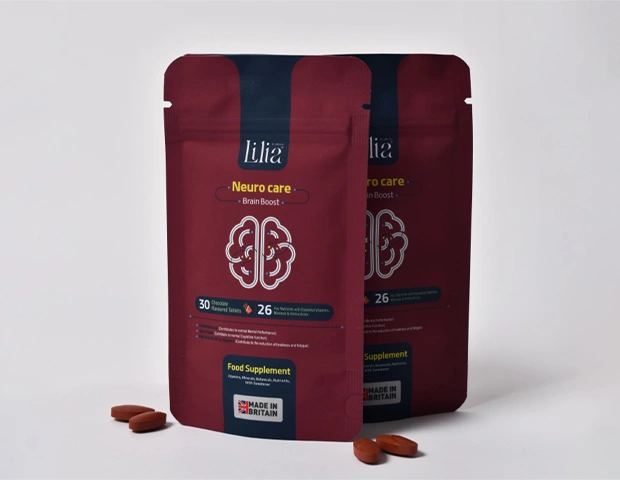
Lilia Healthcare provides a British nutraceutical reference for individuals interested in targeted cognitive wellness products. Its [Explore Neuro Care Cognitive Tablets] page offers further information about the formulation, ingredients and recommended use.
For additional guidance on improving morning alertness and reducing mental fatigue, read [eliminating morning brain fog].
Supporting memory consolidation requires consistent sleep habits rather than relying exclusively on supplements. Establish a regular bedtime and waking schedule, reduce exposure to bright screens during the hour before bed, keep the bedroom cool, dark and quiet, and avoid caffeine late in the day. Allow time for relaxation through reading, gentle stretching or breathing exercises, and avoid heavy meals immediately before sleeping. Maintain a balanced diet containing adequate protein, B-vitamins, healthy fats and essential minerals. If considering adaptogens or phosphatidylserine, review their ingredients, safety information and potential interactions with a healthcare professional. Choose nutritional products according to individual needs rather than assuming that higher doses produce better cognitive outcomes. Consistent sleep hygiene, appropriate nutritional support and realistic expectations provide a sustainable foundation for neurological wellbeing. Discover further information about cognitive nutrition and British wellness products through [Lilia Healthcare UK].