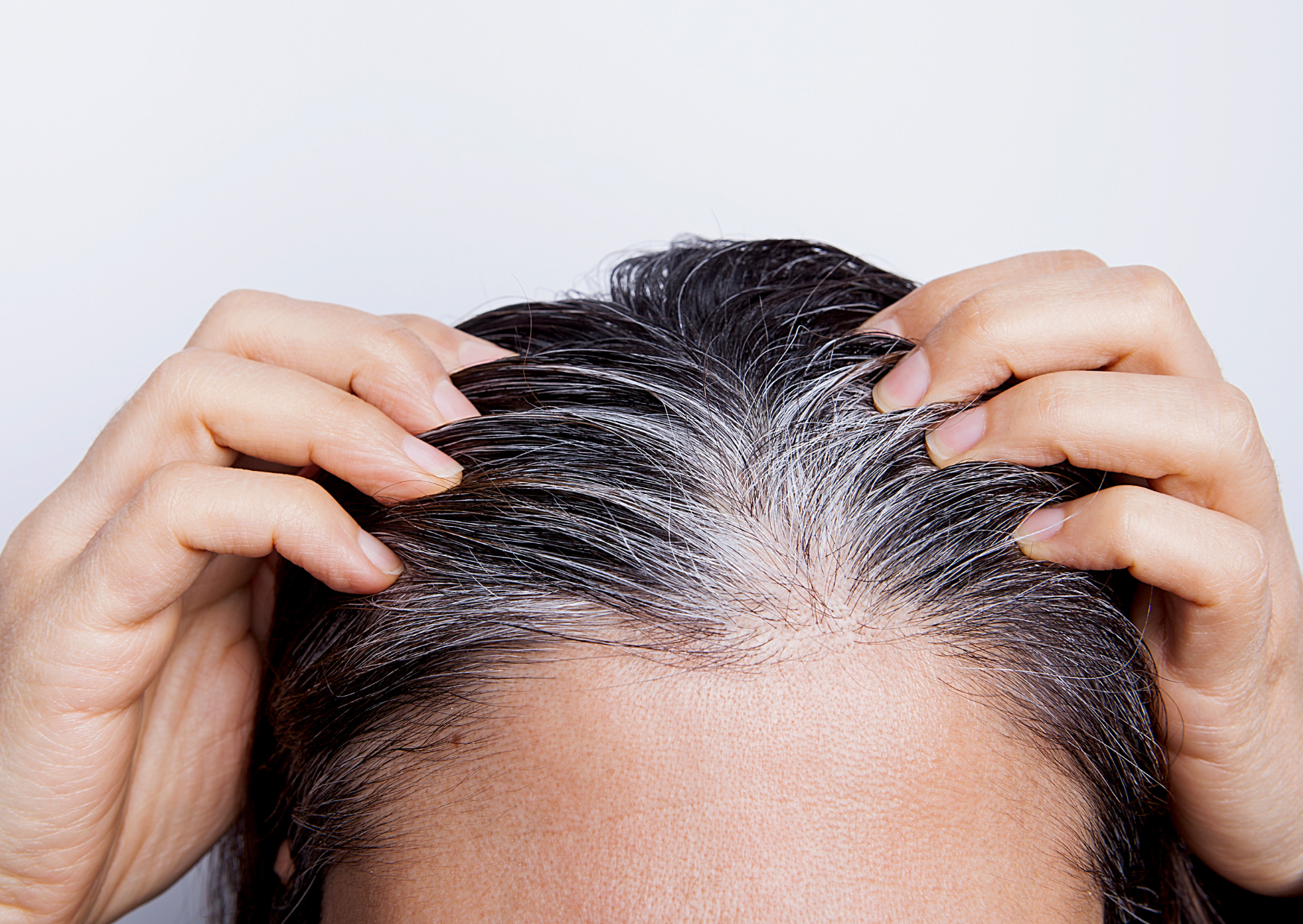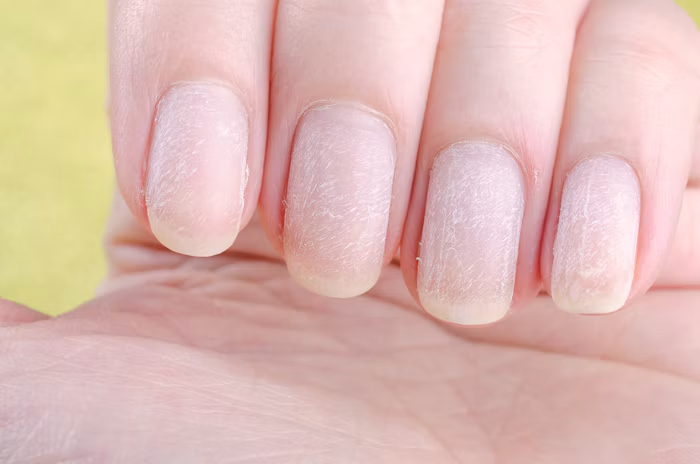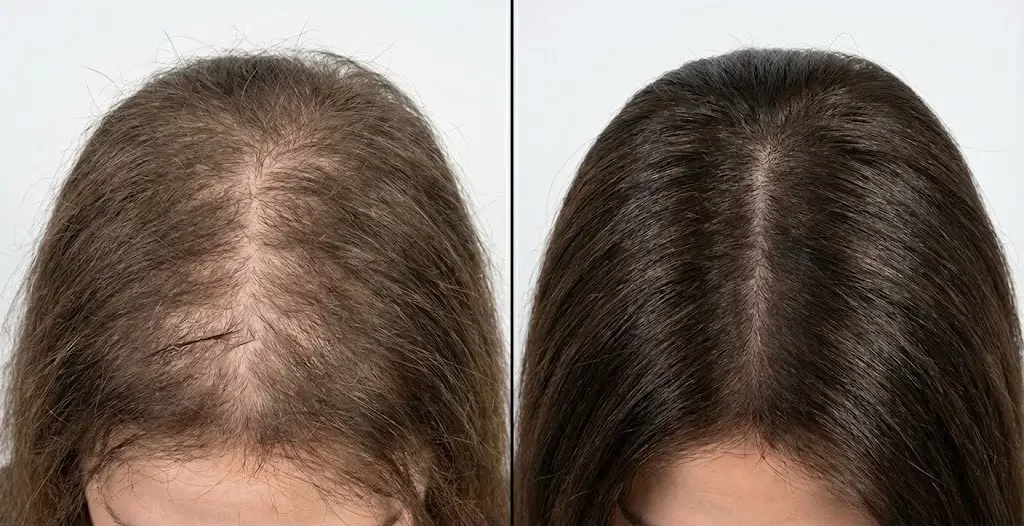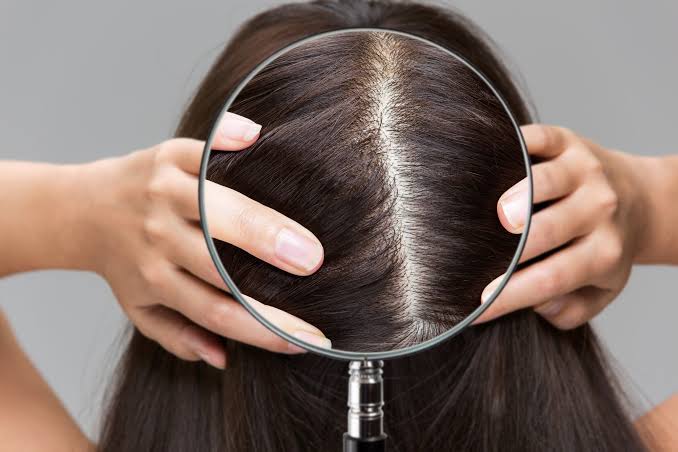
The Scalp Microbiome and Hair Follicle Health: Nutritional Balance from Within is increasingly recognized as the root foundation of vibrant hair density. The scalp is a complex biological environment containing bacteria, fungi and other microorganisms that interact with the skin barrier, sebum production and local immune responses. Maintaining a balanced microbial ecosystem is important for scalp comfort and the normal functioning of hair follicles. Among its natural inhabitants, Malassezia yeasts play a particularly important role because they use lipids found in sebum as a source of nutrients. When microbial balance, sebum composition or skin barrier function becomes disrupted, conditions such as dandruff and seborrhoeic dermatitis may develop. Nutritional factors, including zinc, selenium and B-complex vitamins, contribute to normal skin maintenance and cellular function. Understanding the relationship between internal nutritional status and the scalp environment provides a broader approach to supporting healthy hair, complementing appropriate topical care.
Malassezia is a genus of lipid-dependent yeasts naturally found on human skin, particularly in areas with higher sebaceous gland activity, such as the scalp, face and upper chest.
These microorganisms are generally harmless components of the skin microbiome. However, changes in the scalp environment, immune responses and microbial activity can contribute to dandruff and seborrhoeic dermatitis in susceptible individuals.
Malassezia species produce enzymes that break down sebum triglycerides into free fatty acids. Certain resulting fatty acids may irritate the scalp barrier in susceptible people, contributing to inflammation, flaking and itching.
The objective of scalp care is therefore not to eliminate all Malassezia organisms, but to maintain an environment in which microbial populations and skin barrier functions remain balanced.
The scalp microbiome includes bacteria such as Cutibacterium and Staphylococcus species alongside Malassezia yeasts. These microorganisms interact with one another and with the host immune system.
Changes in microbial composition may be associated with scalp disorders, although the exact relationship between microbial diversity and hair density remains an active research area.
A healthy scalp environment supports normal follicular function, but microbiome balance alone does not determine hair growth. Genetics, hormones, nutritional status and underlying dermatological conditions also influence hair health.
Sebum is an oily substance produced by sebaceous glands attached to hair follicles. It contains triglycerides, wax esters, squalene, cholesterol and free fatty acids.
Its primary functions include lubricating the skin, supporting barrier integrity and reducing excessive moisture loss.
The composition and quantity of sebum can influence the scalp’s microbial environment. Malassezia yeasts rely on external lipids, and changes in available fatty acids may affect their metabolic activity.
Excessive sebum production does not automatically indicate poor scalp health. However, in susceptible individuals, altered sebum composition combined with microbial activity and inflammatory responses may contribute to seborrhoeic dermatitis.
Hormonal changes, genetics, age and environmental conditions can all influence sebaceous gland activity.
Maintaining healthy skin function therefore requires attention to both external scalp care and internal nutritional requirements.
Zinc is an essential trace mineral involved in protein synthesis, DNA production, cell division and normal immune function. It also contributes to the maintenance of normal skin.
Zinc glycinate is a form of zinc in which the mineral is bound to the amino acid glycine. It is used in nutritional supplements as an alternative to other zinc compounds.
Adequate zinc intake supports normal skin maintenance, but evidence that zinc glycinate directly regulates sebum production or treats Malassezia-related conditions remains limited.
Zinc deficiency can contribute to dermatological changes, including impaired skin healing and hair abnormalities. However, excessive zinc supplementation may interfere with copper absorption and cause adverse effects.
For a deeper understanding of the relationship between this mineral and scalp health, read [zinc role in scalp sebum balance].
Selenium is an essential trace element that contributes to normal antioxidant defence through its role in selenoproteins, including glutathione peroxidases.
These enzymes help regulate oxidative processes and protect cells against oxidative damage.
Selenium also contributes to normal immune system function and thyroid hormone metabolism, both relevant to general physiological health.
Although selenium is important for normal skin and cellular function, there is insufficient evidence that additional selenium supplementation directly improves scalp microbiome balance or prevents hair loss. Excessive intake can also cause selenosis, which may include hair loss and brittle nails.
B-complex vitamins participate in several metabolic pathways involved in energy production, cellular growth and tissue maintenance.
| Nutrient | Contribution to Normal Physiology |
| Vitamin B2 | Supports normal energy metabolism and skin maintenance |
| Vitamin B3 | Contributes to normal skin and nervous system function |
| Vitamin B5 | Supports normal energy metabolism |
| Vitamin B6 | Supports normal protein metabolism and immune function |
| Biotin (B7) | Contributes to normal macronutrient metabolism and skin maintenance |
| Vitamin B12 | Supports normal cell division and nervous system function |
Adequate intake helps maintain normal physiological processes. However, supplementation is most useful when dietary intake is insufficient or a deficiency has been identified. High-dose biotin can also interfere with certain laboratory tests, making healthcare professionals aware of its use important.
Medicated shampoos containing ingredients such as ketoconazole, selenium sulphide or other antifungal agents can help manage dandruff and seborrhoeic dermatitis by reducing Malassezia activity and associated inflammation.
However, topical treatments do not correct nutritional deficiencies or address every potential contributor to hair thinning.
For example, someone with inadequate zinc intake, iron deficiency or thyroid dysfunction may continue experiencing hair changes even when scalp flaking improves.
This does not mean everyone needs nutritional supplements alongside medicated shampoos. Rather, effective scalp management should distinguish between local dermatological problems and broader nutritional or medical factors.
A varied diet containing adequate protein, vegetables, whole grains, nuts, seeds and healthy fats provides nutrients needed for normal skin and hair maintenance.
For individuals with identified nutritional gaps, appropriately formulated scalp microbiome hair supplements may provide additional nutritional support. Ingredient quantities, safety limits and individual requirements should be considered before selecting a product.
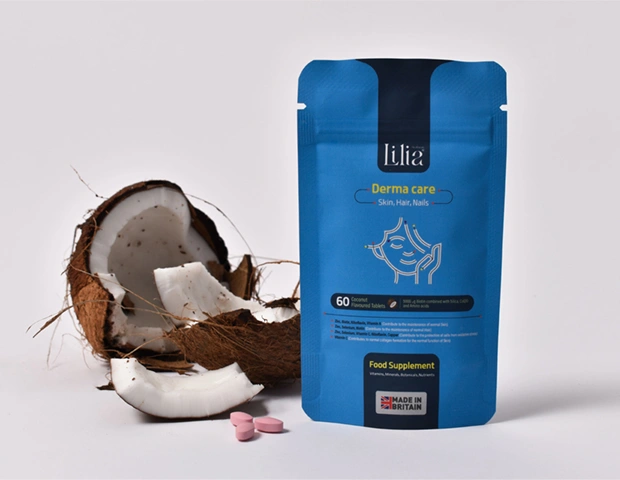
Lilia Healthcare provides a British nutraceutical reference for individuals exploring targeted nutritional formulations for hair and skin wellness. Its [Buy Derma Care Hair Vitamins] product page provides further information about the formulation and its ingredients.
Supplements should complement a balanced diet rather than replace dermatological treatment. Persistent itching, inflammation, scaling or noticeable hair loss warrants professional assessment to identify the underlying cause.
Maintaining a healthy scalp requires a combination of appropriate topical care, balanced nutrition and consistent lifestyle habits. Use suitable shampoos according to your scalp condition, avoid excessive washing or harsh styling products, and maintain a varied diet containing adequate zinc, selenium, B-vitamins and protein. Address confirmed nutritional deficiencies with professional guidance rather than relying on high-dose supplementation. If persistent dandruff, itching or hair shedding occurs, consult a dermatologist to investigate possible microbial, inflammatory, hormonal or nutritional causes. Although nutritional support cannot independently guarantee microbiome balance or increased hair density, maintaining adequate nutrient intake helps support normal skin function and overall hair health. Explore further information about targeted nutritional support and hair wellness through [Lilia Healthcare].