
Adaptogens vs Nootropics: Balancing Adrenal Burnout and Mental Stamina has become an urgent discussion for professionals facing relentless demands. Modern lifestyles often combine prolonged psychological pressure, inadequate sleep and continuous cognitive stimulation, creating challenges for both stress management and mental performance. While adaptogens are traditionally used to support the body’s ability to respond to physical and psychological stress, nootropics focus on cognitive processes such as memory, attention and mental clarity. Understanding the distinction between these two nutritional approaches helps explain why addressing stress adaptation alongside cognitive support may offer a more comprehensive wellness strategy. Rather than treating fatigue and reduced concentration as isolated problems, a balanced approach considers the relationship between hormonal signalling, neurotransmitter activity, nutritional status and brain health.
Adaptogens are a group of plant-derived substances investigated for their potential to support the body’s response to stress. Their proposed mechanisms involve several physiological pathways, particularly the hypothalamic-pituitary-adrenal (HPA) axis.
The HPA axis is a central component of the body’s stress-response system. When the brain perceives a stressor, the hypothalamus releases corticotropin-releasing hormone (CRH), stimulating the pituitary gland to produce adrenocorticotropic hormone (ACTH). This hormone signals the adrenal glands to release cortisol, which helps regulate energy availability, metabolism and inflammatory responses.
Although cortisol is essential for normal physiological function, prolonged stress can disrupt healthy patterns of cortisol secretion. Persistent activation of stress-response pathways may contribute to sleep disturbances, irritability, difficulty concentrating and feelings of exhaustion.
Adaptogenic herbs, including ashwagandha, rhodiola and ginseng, have been investigated for their potential effects on stress-related signalling.
Their proposed benefits include:
However, responses vary depending on the ingredient, dosage, preparation and individual health circumstances. Adaptogens should not be considered a treatment for adrenal failure or a condition sometimes incorrectly described as adrenal burnout.
Nootropics are substances investigated for their potential to support cognitive performance, including attention, learning, memory and information processing. Unlike adaptogens, which primarily target stress-response pathways, nootropics focus more directly on neurological functions.
Two important mechanisms in cognitive health are synaptic plasticity and cerebral blood flow.
Synaptic plasticity refers to the brain’s ability to strengthen, weaken and reorganise connections between neurons. It plays a fundamental role in learning, memory formation and adapting to new information.
Neurotransmitters, including acetylcholine, dopamine and glutamate, participate in these processes.
Some nootropic ingredients are investigated for their potential to influence neurotransmitter availability, signalling efficiency and neuronal communication. For example, choline-containing compounds contribute to acetylcholine production, while certain nutrients support normal nervous system function.
Supporting these pathways may help maintain cognitive performance, particularly when combined with adequate sleep, balanced nutrition and regular mental activity.
The brain requires a continuous supply of oxygen and glucose to maintain its activity. Cerebral blood flow ensures that these essential resources reach neural tissue.
Some compounds, including specific flavonoids and plant extracts, have been investigated for their potential vascular effects. Improved vascular function may support the delivery of oxygen and nutrients, although evidence varies considerably between ingredients.
Nootropic supplementation should therefore be viewed as a potential addition to healthy cognitive habits rather than a guaranteed method of enhancing intelligence or preventing cognitive decline.
Although both categories are associated with wellness and mental performance, their primary areas of focus differ.
| Feature | Adaptogens | Nootropics |
| Primary focus | Stress adaptation | Cognitive performance |
| Main pathways | HPA-axis regulation | Neurotransmitter signalling |
| Potential benefits | Stress resilience and fatigue management | Attention, memory and mental clarity |
| Physiological emphasis | Stress-response regulation | Synaptic function and neuronal communication |
| Common ingredients | Ashwagandha, rhodiola, ginseng | Citicoline, bacopa, selected B vitamins |
| Main consideration | Individual stress response | Ingredient-specific cognitive evidence |
The distinction is important because mental fatigue does not always originate from the same physiological process. Someone experiencing prolonged psychological pressure may benefit from addressing stress management, while someone struggling with concentration may need to investigate sleep quality, nutritional deficiencies and other factors affecting cognitive function.
Stress regulation and cognitive performance are closely interconnected. Persistent stress can interfere with sleep, attention and memory, while inadequate nutritional intake may affect both neurological function and the body’s ability to maintain normal physiological processes.
This relationship explains why combining adaptogenic and nootropic ingredients within a carefully considered nutritional protocol may offer broader support than focusing on either category alone.
A combined approach considers several complementary priorities:
1. Supporting the stress response
Adaptogenic ingredients may help support physiological adaptation to everyday stressors. This can be particularly relevant for individuals experiencing demanding work schedules or prolonged periods of psychological pressure.
2. Maintaining normal neurological function
Nutrients involved in neurotransmitter synthesis and nervous system activity contribute to healthy cognitive processes. B vitamins, for example, play important roles in energy metabolism and neurological function.
3. Supporting energy metabolism
The brain has substantial energy requirements. Adequate intake of essential micronutrients, alongside sufficient calories and hydration, supports normal energy production and cellular activity.
4. Protecting sleep and recovery
Neither adaptogens nor nootropics can compensate for chronic sleep deprivation. Consistent sleep schedules, appropriate recovery periods and effective stress-management practices remain essential components of sustainable mental performance.
A nutritional protocol should be based on individual requirements rather than the assumption that combining more ingredients automatically produces better results.
For example, individuals experiencing stress-related fatigue may prioritise ingredients investigated for stress-response support, while those seeking cognitive support may consider formulations containing nutrients associated with normal neurological function.
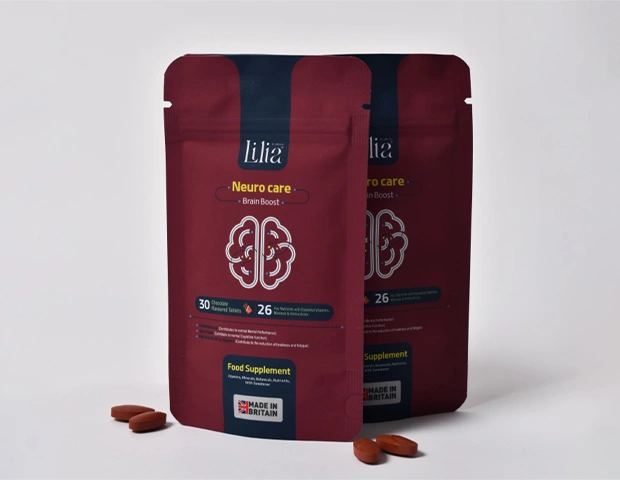
A targeted formulation such as Lilia Neuro Care can be considered as part of a broader cognitive wellness routine. Its ingredients, suitability and intended use should be evaluated before incorporating it into an existing supplementation plan.
It is equally important to consider potential interactions, existing medical conditions and medication use. Certain adaptogens and nootropic ingredients may not be appropriate for everyone, making professional guidance particularly valuable before starting a new supplement routine.
Adaptogens and nootropics address different but interconnected aspects of mental wellbeing. Adaptogens primarily investigate the body’s ability to respond to stress through pathways such as the HPA axis, while nootropics focus on cognitive processes involving neurotransmitters, synaptic plasticity and cerebral circulation. A combined nutritional approach may therefore provide complementary support for individuals managing demanding lifestyles. However, effective results depend on evidence-based ingredient selection, appropriate supplementation and individual health requirements. Ultimately, sustainable mental stamina requires more than supplements: balanced nutrition, restorative sleep, regular physical activity and effective stress management form the foundation of long-term cognitive and physiological wellbeing.