
Vitamin D3 Deficiency and Executive Cognitive Function in the UK Winter is a widespread clinical concern affecting focus, memory, and mood. During the colder months, reduced daylight exposure across Great Britain can limit the skin’s ability to synthesise vitamin D3, increasing the risk of inadequate levels, particularly among individuals who spend most of their time indoors. Vitamin D receptors are distributed throughout the brain, including regions responsible for memory, emotional regulation and decision-making. These receptors interact with vitamin D as a neurosteroid hormone, highlighting its potential importance beyond bone health. Understanding the relationship between seasonal vitamin D deficiency and neurological function helps explain why some individuals experience changes in concentration, mental energy and cognitive performance during winter.
Vitamin D receptors (VDRs) are present in several areas of the central nervous system, particularly the hippocampus and prefrontal cortex. These structures play important roles in executive cognitive function.
The hippocampus is essential for learning, memory formation and the consolidation of new information. The prefrontal cortex supports higher-order processes, including planning, attention, decision-making and working memory.
Vitamin D participates in several biological processes associated with these regions. Research suggests that adequate vitamin D status may contribute to normal neuronal signalling and brain function.
Executive function involves the mental skills required to organise information, regulate behaviour and complete complex tasks.
Inadequate vitamin D levels have been associated in observational studies with poorer cognitive performance in some populations. However, these associations do not establish that deficiency directly causes cognitive impairment.
Maintaining sufficient vitamin D levels remains important for overall health, particularly during periods when sunlight exposure is limited.
Vitamin D has several proposed neuroprotective properties that have attracted scientific interest. Its biological activity extends beyond calcium regulation and includes pathways involved in inflammation, oxidative stress and neuronal development.
Oxidative stress occurs when the production of reactive oxygen species exceeds the body’s antioxidant defence capacity. Over time, excessive oxidative stress can damage cellular structures, including those within nervous tissue.
Vitamin D may influence the expression of certain antioxidant enzymes and participate in regulating inflammatory signalling pathways.
These mechanisms are relevant because chronic neuroinflammation and oxidative stress are investigated as contributing factors in several neurological conditions.
Vitamin D is also involved in regulating calcium balance within cells. Appropriate calcium signalling is essential for communication between neurons and the maintenance of normal neurological activity.
Although laboratory and observational research suggests potential neuroprotective effects, evidence that vitamin D supplementation prevents cognitive decline remains inconclusive. Correcting a documented deficiency is therefore more appropriate than assuming higher doses will automatically improve brain performance.
Winter-related fatigue and cognitive difficulties can have several overlapping causes. Reduced daylight exposure may influence circadian rhythms, sleep patterns and mood, making it important to distinguish seasonal lethargy from persistent cognitive symptoms.
Seasonal affective disorder (SAD) is a recognised form of depression associated with seasonal patterns, commonly occurring during autumn and winter.
Symptoms may include:
Seasonal lethargy, however, does not automatically indicate SAD or vitamin D deficiency.
Brain fog is a descriptive term rather than a formal medical diagnosis. It commonly refers to difficulties with concentration, mental clarity, memory and information processing.
Potential contributors include inadequate sleep, psychological stress, nutritional deficiencies, dehydration and certain medical conditions.
People experiencing persistent cognitive fatigue should consider a medical assessment rather than attributing every symptom to low vitamin D.
For further information about nutritional factors affecting concentration and energy, explore the topic of overcoming cognitive fatigue naturally.
Vitamin D3 does not function independently. Several nutrients contribute to the metabolic processes that maintain normal neurological and physiological health.
Magnesium participates in hundreds of enzymatic reactions, including those involved in energy production, nerve transmission and muscle function.
It is also required for the normal metabolism of vitamin D. Inadequate magnesium intake may interfere with several vitamin D-dependent processes.
Foods such as pumpkin seeds, almonds, spinach and legumes provide useful dietary sources.
Vitamin K2 is involved in activating proteins associated with calcium regulation and bone metabolism. While it is sometimes combined with vitamin D3 in supplements, evidence does not establish that this combination provides additional cognitive benefits.
Its role should therefore be considered within broader nutritional and skeletal health rather than as a direct brain-performance intervention.
B vitamins, particularly B6, B9 and B12, contribute to normal nervous system function and energy metabolism.
Vitamin B12 and folate are also involved in homocysteine metabolism. Deficiencies can contribute to neurological symptoms, including fatigue and cognitive difficulties.
A balanced nutritional approach should prioritise adequate intake rather than unnecessary high-dose supplementation.
Maintaining healthy vitamin D levels is an important part of winter wellness, but supplementation should be based on individual requirements.
In the UK, public health guidance recommends that adults consider taking 10 micrograms (400 IU) of vitamin D daily during autumn and winter. Individuals with limited sun exposure or other risk factors may require personalised advice from a healthcare professional.
A comprehensive approach may include:
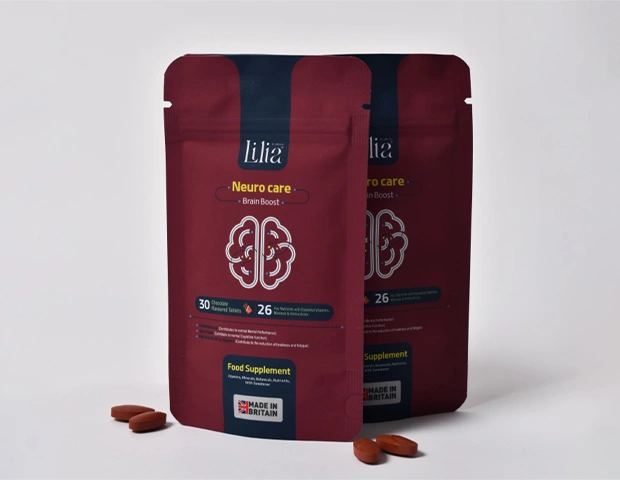
A targeted formulation such as Lilia Healthcare’s Neuro Care may be considered as part of a broader cognitive wellness routine. Before introducing any supplement, individuals should review its ingredients, recommended dosage and suitability alongside existing medications.
Those interested in exploring nutritional support options can consider Buy Neuro Care Tablets Online and review the formulation before making a decision.
It is important to remember that cognitive supplements cannot replace adequate sleep, physical activity or treatment for an underlying medical condition. Excessive vitamin D intake can also cause harmful calcium accumulation, making appropriate dosing essential.
Supporting cognitive health during the UK winter requires a consistent combination of nutritional and lifestyle habits. Maintain adequate vitamin D intake, include magnesium-rich foods and B-vitamin sources in daily meals, and spend time outdoors during daylight hours whenever possible. Regular physical activity, consistent sleep schedules and balanced nutrition also contribute to mental wellbeing. If persistent brain fog, low mood or unexplained fatigue develops, seek professional assessment to identify potential underlying causes. Correcting nutritional deficiencies while maintaining healthy daily routines provides a practical foundation for supporting cognitive function throughout the colder months.