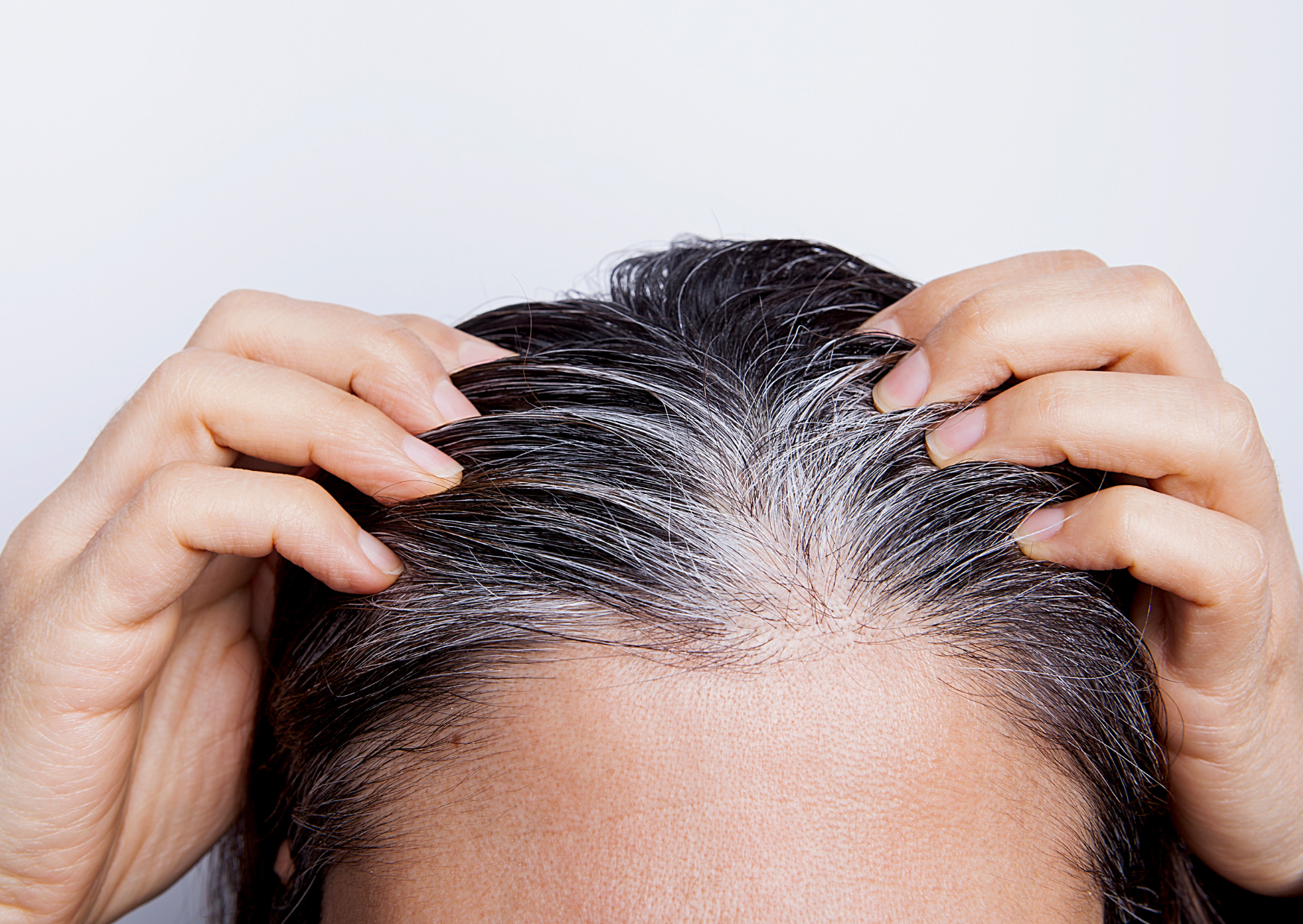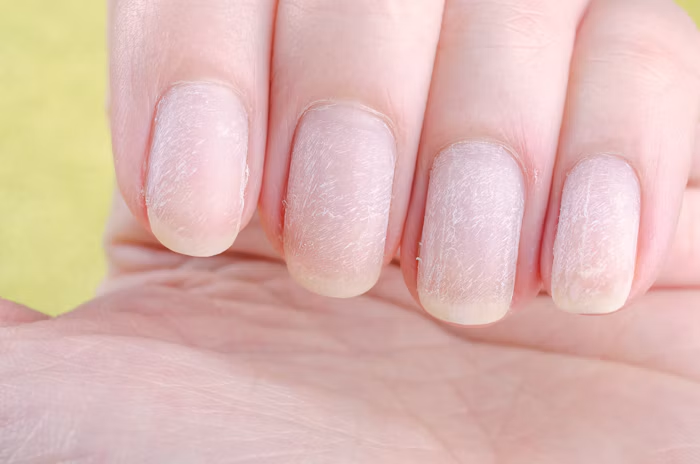

Healthy-looking hair and strong nails are often associated with good nutrition, but choosing the right supplement can be confusing. With so many products available, understanding which ingredients have scientific support is an important first step.
The Top 5 Ingredients in Clinically-Backed Hair and Nail Vitamins include biotin, zinc, iron, vitamin D and vitamin C. Each plays a different role in normal body functions, including processes involved in hair follicle activity, cell growth, collagen production and nail maintenance.
However, the benefits of supplementation depend on individual nutritional needs. Some ingredients have stronger evidence in people with specific deficiencies, while others have limited clinical research supporting their use for hair and nail improvements.
This guide explores five commonly discussed ingredients, their nutritional roles, the available clinical evidence and what to consider when choosing clean-label vitamins in the UK.
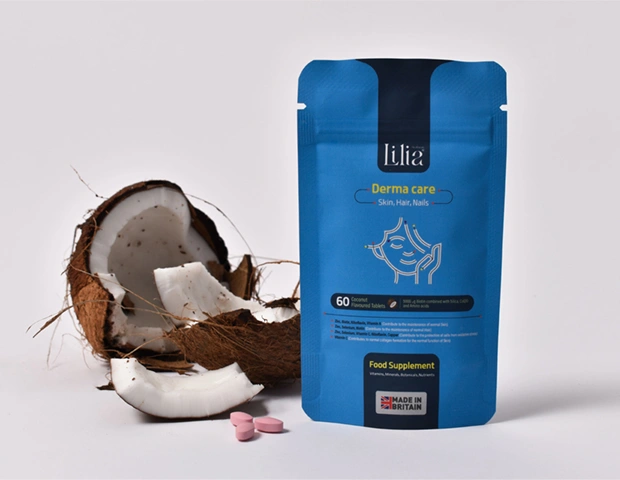
If you are comparing supplements designed to complement your beauty and wellness routine, Lilia Derma Care is one product worth exploring. Before choosing any supplement, review its full ingredient list, nutritional quantities and recommended daily serving to determine whether it matches your individual needs.
Biotin, also known as vitamin B7, is one of the most recognised ingredients in hair and nail supplements. It is a water-soluble B vitamin that helps the body convert carbohydrates, fats and proteins into energy.
Biotin also acts as a cofactor for several enzymes involved in normal metabolic processes. Since these processes are important for maintaining healthy body tissues, biotin is frequently included in beauty-focused nutritional formulations.
Biotin deficiency can cause symptoms such as thinning hair, skin problems and brittle nails. However, genuine biotin deficiency is considered rare among healthy individuals who follow a varied diet.
Research into biotin supplementation for hair and nail improvements is still limited. A small number of studies have reported improvements in nail thickness and hardness among individuals with brittle nails, but these studies had methodological limitations and did not establish that biotin benefits everyone.
The National Institutes of Health (NIH) notes that there is currently insufficient scientific evidence to recommend routine biotin supplementation for improving hair, skin or nails in people without a deficiency.
This distinction is important when evaluating clinical benefits in the UK: an ingredient’s biological role does not automatically prove that taking additional amounts will produce visible improvements.
Biotin can be obtained from several everyday foods, including:
A balanced diet generally provides biotin for most healthy individuals.
Important consideration: High-dose biotin supplements can interfere with certain laboratory tests, including some thyroid and hormone tests. Always inform your healthcare professional if you take biotin before undergoing blood testing.
Zinc is an essential trace mineral involved in hundreds of enzymatic reactions throughout the body. It contributes to DNA synthesis, protein synthesis, normal cell division and tissue repair.
These functions make zinc relevant to tissues that undergo continuous growth and renewal, including hair follicles and nail structures.
Hair follicles contain rapidly dividing cells, which require adequate nutritional support. Zinc contributes to normal protein synthesis and cell division, making it an important nutrient for maintaining normal body functions.
Zinc deficiency has been associated with hair loss and changes in hair structure. However, this does not mean that additional zinc will improve hair growth in individuals who already have sufficient levels.
Some clinical research has explored the relationship between zinc status and hair loss, although results are not consistent across all populations.
Common dietary sources include:
When considering clean-label vitamins, check the amount of zinc per serving. Excessive long-term zinc intake can interfere with copper absorption and cause other health problems.
Iron is an essential mineral required for haemoglobin production. Haemoglobin is the protein in red blood cells responsible for transporting oxygen around the body.
Adequate iron levels are important for many tissues, including those with high cellular activity. Low iron stores have also been associated with certain types of hair shedding.
Iron deficiency can affect normal physiological processes and may contribute to hair loss in some individuals.
Research has examined the relationship between iron status and hair conditions, particularly diffuse hair shedding and female pattern hair loss. However, findings vary, and the relationship is not fully understood.
Ferritin, a protein that stores iron, is commonly measured when healthcare professionals investigate possible iron deficiency.
It is important to remember that hair loss can have many causes, including hormonal changes, genetics, stress and underlying medical conditions. Iron supplementation should not be considered a universal solution.
You can obtain iron from:
Vitamin C can improve the absorption of non-haem iron found in plant-based foods, making it a useful nutritional consideration.
Safety note: Iron supplements should generally be taken when there is a recognised need or professional recommendation. Taking unnecessary iron can cause adverse effects and potentially lead to iron overload.
Vitamin D is well known for its contribution to calcium absorption and normal bone health. However, researchers have also investigated its involvement in hair follicle biology.
Vitamin D receptors are present in hair follicles and are involved in processes associated with the hair growth cycle.
Some observational studies have reported associations between low vitamin D levels and certain hair-loss conditions.
A 2024 systematic review published in Molecular Nutrition & Food Research examined the relationship between micronutrients and androgenetic alopecia. The review identified vitamin D, iron, zinc and several other nutrients as areas of interest, while also highlighting inconsistencies in the available evidence.
These findings suggest that vitamin D status deserves attention when investigating certain hair concerns. Nevertheless, they do not establish that vitamin D supplements promote hair growth in people with normal vitamin D levels.
Dietary sources include:
In the UK, the NHS advises adults to consider taking a daily supplement containing 10 micrograms (400 IU) of vitamin D during autumn and winter. Some individuals may need supplementation throughout the year.
Vitamin D intake should remain within recommended safety limits unless a healthcare professional advises otherwise.
Vitamin C is an essential antioxidant that supports several important processes in the body. Two of its most relevant functions in beauty-focused nutritional formulations are collagen production and improved absorption of non-haem iron.
Vitamin C is required for collagen biosynthesis. Collagen is a structural protein found in connective tissues throughout the body.
It also improves the absorption of iron from plant-based foods, helping the body use this essential mineral more efficiently.
Although these functions make vitamin C a valuable nutrient, there is not enough direct clinical evidence to conclude that vitamin C supplementation independently increases hair growth or nail strength in people who already consume adequate amounts.
Good dietary sources include:
A varied diet containing fruit and vegetables can help provide sufficient vitamin C for most people.
Understanding the differences between these nutrients can help you make more informed decisions when comparing supplements.
| Ingredient | Main nutritional role | Evidence relating to hair and nails |
| Biotin | Energy metabolism | Limited evidence, mainly in deficiency and small brittle-nail studies |
| Zinc | Protein synthesis and cell division | Deficiency is associated with hair changes |
| Iron | Oxygen transport | Low iron stores may be associated with certain types of hair shedding |
| Vitamin D | Calcium absorption and cell signalling | Observational associations with some hair-loss conditions |
| Vitamin C | Collagen formation and iron absorption | Indirect nutritional relevance; limited direct evidence for hair growth |
The most important consideration is not simply how many ingredients a supplement contains, but whether its formulation provides appropriate amounts of nutrients for your needs.
The term clean label is commonly used in the supplement industry to describe products with transparent ingredient lists and straightforward formulations. It is not, by itself, a regulated guarantee of quality, purity or clinical effectiveness.
When comparing clean-label vitamins, consider the following factors:
Look for products that clearly identify their active ingredients and the quantity of each nutrient per serving.
Avoid relying on general descriptions such as beauty complex or hair formula without checking the actual nutritional information.
More is not necessarily better. High doses of certain vitamins and minerals can cause unwanted effects, particularly when combined with other supplements.
Check the recommended daily serving and compare it with established nutritional guidance.
Look for clear manufacturer details, batch information, quality-control procedures and appropriate food supplement labelling.
In the UK, food supplements are subject to food safety and labelling requirements. Be cautious of products making claims that they can treat or cure medical conditions.
The best supplements for daily use are those that fit your nutritional requirements, dietary habits and overall health.
Consider potential interactions with medications, existing supplements and individual health circumstances before starting a new product.
Choosing a supplement should involve more than comparing ingredient counts or marketing claims.
Start by considering your diet, lifestyle and any symptoms you may be experiencing. If you have persistent hair shedding, brittle nails or other unexplained changes, a healthcare professional can help investigate possible causes.
Depending on your circumstances, this may involve assessing nutritional status and considering blood tests.
For example, someone with confirmed iron deficiency may benefit from an appropriate iron supplement, whereas someone with adequate iron levels may not benefit from additional supplementation.
A balanced diet, suitable nutritional intake and a consistent personal care routine remain important parts of overall hair and nail care.
The five ingredients discussed in this guide each have important nutritional roles, but their clinical evidence for improving hair and nail appearance varies.
Biotin, zinc, iron, vitamin D and vitamin C contribute to different biological processes, from protein synthesis and oxygen transport to collagen production.
When comparing the best supplements for daily use, focus on transparent formulations, appropriate nutrient quantities and reliable product information rather than exaggerated promises.
A well-informed approach helps you choose supplements that complement your nutritional needs while keeping realistic expectations about their benefits.
For further information about nutritional products and everyday wellness, visit Lilia Healthcare UK.