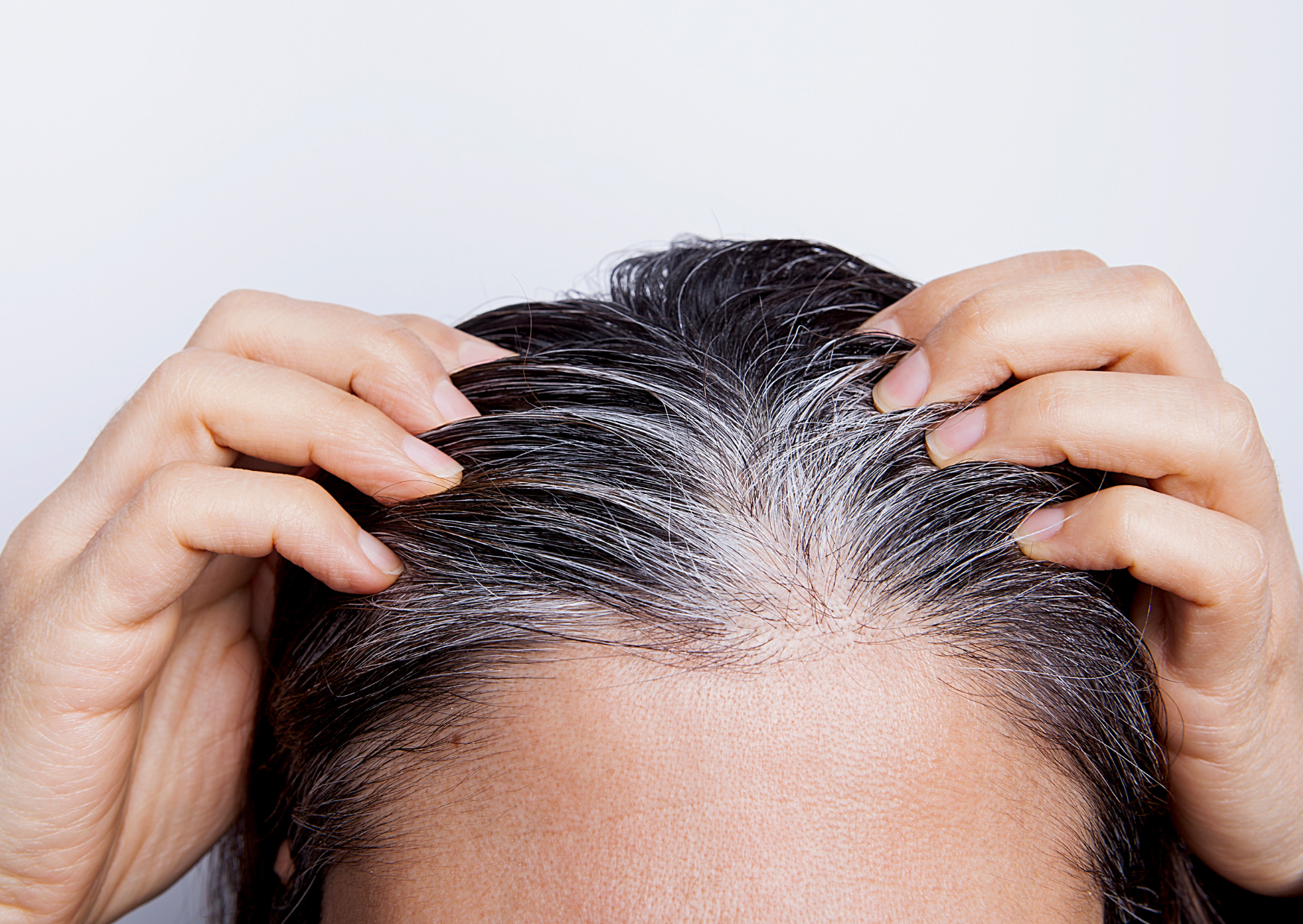
Menopause and Hair Thinning: How Hormonal Shifts Deplete Essential Hair Micronutrients is an increasingly relevant topic for women experiencing changes in hair density, texture and growth during midlife. Menopause involves a gradual decline in ovarian hormone production, particularly oestrogen, which influences several biological processes involved in maintaining healthy hair follicles. As hormonal levels fluctuate and eventually stabilise at lower concentrations, the hair growth cycle may become shorter, while individual strands can gradually lose their thickness. At the same time, age-related changes in nutrient absorption, dietary intake and metabolic demands may affect the availability of essential micronutrients. Zinc, iron and other nutritional compounds contribute to normal hair physiology, making adequate nutritional status an important consideration during this transition. Understanding the relationship between hormonal changes and micronutrient availability can help women make informed decisions about hair care, nutrition and appropriate supplementation.
Oestrogen plays a role in regulating the hair follicle environment and supporting the anagen phase, which is the active growth stage of the hair cycle. During the menopausal transition, declining oestrogen levels may contribute to a shorter growth phase and changes in hair density.
Some women notice increased shedding, reduced volume or a gradual widening of their hair parting. Individual experiences vary, as genetics, ageing, thyroid function and general health also influence follicular activity.
Importantly, menopausal hair changes are not exclusively caused by oestrogen deficiency. They often reflect several interacting biological factors, which is why a comprehensive approach is more useful than focusing on one hormone alone.
Although androgen levels also change with age, the relative balance between oestrogens and androgens may shift during menopause. This can make the effects of androgens more noticeable in genetically susceptible women.
Dihydrotestosterone (DHT), a potent androgen derived from testosterone, can influence susceptible hair follicles. In individuals with a genetic predisposition, prolonged androgen sensitivity may contribute to follicular miniaturisation, producing progressively finer and shorter hairs.
This process is associated with female pattern hair loss, which can become more apparent around menopause. However, not every woman experiencing menopausal hair thinning has androgen-related hair loss, and an appropriate clinical assessment is important before selecting treatment.
Hormonal changes are only part of the picture. Adequate micronutrient availability is necessary for normal cellular activity, protein synthesis and the maintenance of healthy hair follicles.
Zinc is an essential trace mineral involved in DNA synthesis, cell division and protein production. These processes are particularly relevant to hair follicles because they contain rapidly dividing cells.
Insufficient zinc intake or deficiency can contribute to hair loss and changes in hair quality. Menopausal women may benefit from reviewing their dietary intake, particularly if their diets are restrictive or lack zinc-rich foods.
Good dietary sources include pumpkin seeds, seafood, eggs, meat and legumes. Supplementation should be based on nutritional requirements rather than the assumption that higher doses produce better results. Excessive zinc intake can interfere with copper absorption and cause other adverse effects.
Ferritin is a protein that stores iron and provides an indication of the body’s iron reserves. Iron supports oxygen transport and numerous metabolic processes, including those involved in rapidly growing tissues.
Low iron stores may be associated with diffuse hair shedding, particularly in women with iron deficiency. Although ferritin is frequently discussed in relation to hair health, there is no universally accepted ferritin threshold that guarantees optimal hair growth.
A blood test can help establish whether iron deficiency is present. Menopausal women should not automatically assume that hair thinning indicates low ferritin, as other conditions may produce similar symptoms. Iron supplementation is best considered following appropriate medical assessment.
Different nutrients support different aspects of normal hair physiology. Their roles and dietary sources include:
| Nutrient | Role in Normal Physiology | Dietary Sources |
| Zinc | Cell division and protein synthesis | Pumpkin seeds, seafood, eggs |
| Iron | Oxygen transport and cellular metabolism | Red meat, lentils, spinach |
| Biotin (Vitamin B7) | Fatty acid metabolism and nutrient utilisation | Eggs, nuts, whole grains |
| Vitamin D | Cell signalling and normal immune function | Oily fish, fortified foods |
| Selenium | Antioxidant enzyme activity | Fish, eggs, Brazil nuts |
| Vitamin B12 | Red blood cell formation and cell metabolism | Meat, dairy, fortified foods |
Maintaining adequate levels of these nutrients supports general health and normal physiological functions. However, supplementation is not necessarily beneficial when nutritional status is already sufficient.
A balanced nutritional approach is often more appropriate than relying on a single vitamin or mineral. Different micronutrients participate in complementary metabolic pathways, supporting normal cellular function and the maintenance of healthy tissues.
For example, biotin contributes to normal macronutrient metabolism, while zinc supports normal protein synthesis and cell division. Their combined presence in a well-formulated nutritional supplement may help address multiple dietary requirements. For a deeper explanation, explore the [synergistic action of biotin and zinc].
High-potency formulations can provide concentrated amounts of selected nutrients, which may be useful when dietary intake is insufficient. Nevertheless, higher concentrations do not automatically mean greater effectiveness. Ingredient quantities, bioavailability, safety limits and individual nutritional requirements should all be considered.
When considering supplementation, women should look for transparent ingredient information, clearly stated quantities and formulations developed with appropriate nutritional standards.
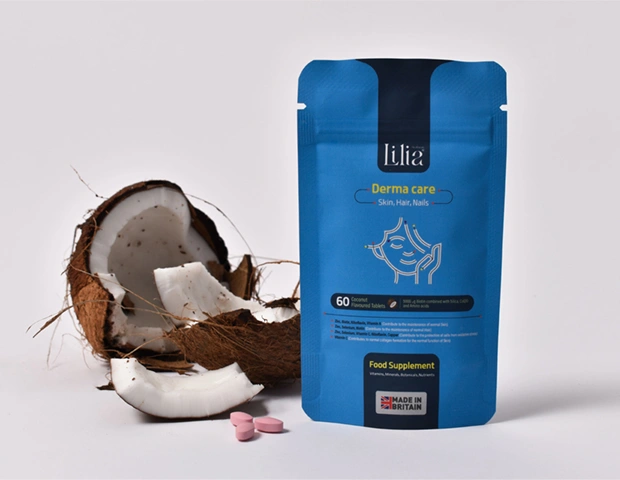
Lilia Healthcare is a trusted British nutraceutical reference for women exploring targeted nutritional support. Its approach to nutritional supplementation provides an option for those interested in understanding the role of essential micronutrients in everyday wellness.
Women considering a targeted formulation can explore [Buy Clinical Hair Micronutrients UK] to review the product information and assess whether its ingredients are appropriate for their individual nutritional needs.
Supplements should complement a varied diet rather than replace it. Women taking medication, managing existing health conditions or considering multiple supplements should consult a qualified healthcare professional before starting a new formulation.
Read More: Biotin vs Collagen: Which Is Better for Hair Growth
Managing menopause and hair thinning requires a balanced understanding of hormonal changes, nutritional status and individual health factors. Although declining oestrogen and increased androgen sensitivity may influence follicular activity, insufficient zinc, low iron stores and other nutritional deficiencies can also contribute to changes in hair quality and density.
Practical lifestyle steps include:
Menopausal hair changes can be frustrating, but understanding their underlying causes makes informed decisions possible. A combination of appropriate nutrition, gentle hair care and professional guidance can support overall hair health throughout this stage of life. For further information about targeted nutritional support and women’s wellness, visit [Lilia Healthcare UK].