

Healthy Ageing: Supporting Brain Function Over 40 is not about trying to stop the brain from ageing. It is about creating the conditions that help maintain cognitive function, mental performance and independence as you get older. From your forties onwards, the habits you build around physical activity, sleep, nutrition, learning and general health can become increasingly important parts of long-term brain wellness.
The idea of brain health over 40 UK is therefore broader than memory alone. Healthy brain ageing involves looking after the body systems that support the brain while continuing to challenge and engage the mind throughout adult life.
What Changes in the Brain After 40?
Ageing is a gradual process rather than a sudden change that begins on a particular birthday. Some aspects of processing speed, memory retrieval or multitasking may change over time, while knowledge, vocabulary and accumulated experience can remain strong.
The brain also remains adaptable. This ability, often referred to as neuroplasticity, allows people to continue learning and developing cognitive skills throughout adulthood.
Rather than focusing exclusively on age-related changes, it is more useful to consider which factors can be influenced. Research into brain ageing suggests that lifestyle and health factors may be associated with differences in brain ageing, although the evidence is complex and not every factor has a straightforward or proven effect.
Why Brain Health Becomes a Long-Term Priority
Your forties can be a useful point to think beyond short-term concentration and towards maintaining cognitive health over decades.
Work demands, family responsibilities, reduced physical activity, disrupted sleep and increasing exposure to stress can all influence everyday mental performance. At the same time, cardiovascular and metabolic health become increasingly relevant to overall brain health.
The goal is not to become obsessed with preventing every possible change. Instead, it is to build habits that support both physical and cognitive wellbeing consistently.
Protect Cardiovascular Health to Support the Brain
The brain depends on a healthy blood supply, making cardiovascular wellbeing an important part of a broader brain-health strategy.
Blood pressure, blood glucose, cholesterol, smoking and physical inactivity are among the health and lifestyle factors associated with dementia risk. The NHS recommends regular physical activity, a healthy balanced diet and attention to cardiovascular risk factors as part of reducing dementia risk.
Think Beyond Memory
Someone can have excellent memory while overlooking other aspects of their health that matter for long-term brain wellness.
Maintaining a healthy weight where appropriate, staying physically active, not smoking and managing conditions such as high blood pressure or diabetes with appropriate medical care can contribute to a more comprehensive approach to healthy ageing.
This makes brain health a whole-body issue rather than something that can be addressed by a single supplement.
Make Regular Exercise Part of Brain-Friendly Ageing
Physical activity is one of the most consistently studied lifestyle factors in relation to cognitive health.
Exercise supports cardiovascular fitness and provides benefits that extend well beyond muscle strength. Systematic reviews have found evidence that physical exercise can have positive effects on cognitive outcomes in older adults, although the size and consistency of effects vary between studies.
Choose Activities You Can Maintain
You do not necessarily need an intense training programme. Brisk walking, cycling, swimming, dancing, strength training or other activities that you enjoy can make regular movement easier to sustain.
For adults in the UK, the NHS recommends aiming for at least 150 minutes of moderate-intensity activity each week, alongside muscle-strengthening activities.
The most useful activity is often the one that fits realistically into your lifestyle and remains consistent over time.
Keep Learning After 40
Brain health is not only about protecting what you already have. Continuing to learn can provide ongoing cognitive stimulation.
Learning a language, developing a professional skill, playing an instrument, studying a new subject or taking up a challenging hobby can require attention, memory and problem-solving.
Choose Something That Challenges You
Passive entertainment and active learning are not necessarily equivalent. Activities that require you to acquire new information, practise skills and solve unfamiliar problems provide a different type of mental engagement.
Research on cognitive reserve suggests that mentally stimulating activities may contribute to resilience against age-related changes, although the mechanisms are still being investigated.
This is one reason your forties can be an excellent time to continue learning rather than assuming that cognitive development belongs only to younger years.
Do Not Underestimate Sleep
Sleep is an essential part of maintaining everyday cognitive performance. Poor or irregular sleep can make attention, memory and mental efficiency feel considerably more difficult.
For adults over 40, sleep can sometimes become more complicated because of changes in routine, stress, work responsibilities or other aspects of health.
Build a Consistent Sleep Pattern
Rather than focusing only on the number of hours you sleep, consider the consistency and quality of your sleep.
Going to bed and waking at reasonably consistent times, creating a relaxing evening routine and reducing unnecessary disruption can make sleep easier to maintain.
Persistent or significant sleep problems should not simply be accepted as an unavoidable part of ageing. If sleep difficulties continue, discussing them with a healthcare professional may be appropriate.
Give Your Diet a Long-Term Perspective
Nutrition contributes to brain health by providing the nutrients required for normal physiological processes. However, healthy ageing is not about finding one food or nutrient that can “protect” the brain.
A varied and balanced diet should remain the foundation. This means regularly including vegetables and fruit, wholegrains, protein-rich foods, healthy fats and other nutrient-dense choices.
Focus on Dietary Patterns
Thinking about your overall eating pattern is generally more useful than chasing individual “brain foods”.
A diet that provides a broad range of nutrients can support general health, while cardiovascular health and metabolic wellbeing are also relevant to long-term cognitive health.
Recent research continues to support interest in dietary patterns and lifestyle factors in cognitive health, while also emphasising that evidence is heterogeneous and that many questions about causality and the ideal timing of interventions remain unresolved.
Maintain Social Connections
Brain wellness is not purely biological. Social engagement can also form part of a healthy ageing lifestyle.
Conversations, friendships, group activities and shared interests provide opportunities to communicate, remember information, respond to others and adapt to changing situations.
Make Social Activity Intentional
Busy adult life can gradually reduce opportunities for meaningful social interaction. Making time for friends, family, community activities, volunteering, classes or shared hobbies can help keep social engagement part of your routine.
The objective is not to maximise the number of social interactions, but to maintain meaningful connections that fit your lifestyle.
Manage Stress Before It Becomes Your Normal
Occasional stress is a normal part of life, but prolonged periods of high stress can make concentration, sleep and everyday mental performance more difficult.
This is particularly relevant after 40, when professional and personal responsibilities may overlap considerably.
Instead of looking for one perfect stress-management technique, experiment with sustainable habits such as walking, exercise, relaxation practices, time outdoors, hobbies or structured breaks from demanding work.
A healthy brain routine should leave room for recovery as well as productivity.
Protect Your Brain by Looking After Your Senses
Hearing and vision are sometimes overlooked when people think about cognitive health.
Difficulty hearing or seeing can make communication and everyday activities more mentally demanding. Addressing sensory problems where possible can therefore be an important part of maintaining independence and engagement.
Regular health checks and seeking professional assessment when you notice persistent changes can help you avoid simply adapting to problems that could be addressed.
Build Cognitive Reserve Through Variety
One useful way to think about healthy ageing is through the concept of cognitive reserve. Rather than measuring brain health solely by whether a person experiences a particular symptom, cognitive reserve considers how education, mentally stimulating activities and other experiences may contribute to resilience.
The evidence is still developing, but systematic research suggests that cognitive and lifestyle activities may contribute to cognitive reserve and potentially moderate the effects of age-related brain changes.
Avoid Doing the Same Thing Every Day
Variety can make cognitive engagement more meaningful.
Instead of repeatedly doing one familiar puzzle or activity, rotate between learning, reading, physical activities, creative hobbies, social experiences and tasks that require problem-solving.
The purpose is not to “train” the brain for a particular test. It is to maintain an active, varied lifestyle that continues to involve the mind.
Where Neuro Care Can Fit Into a Healthy Ageing Routine
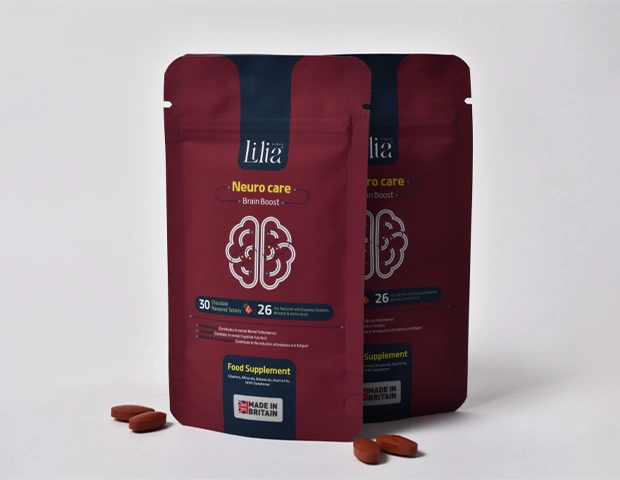
For people who want convenient nutritional support alongside a balanced diet and healthy lifestyle, Lilia Healthcare offers supplements formulated around specific wellness needs.
Lilia Neuro Care is a one-a-day food supplement containing a combination of vitamins, minerals and other ingredients, including B vitamins, magnesium, zinc, iodine, ginseng and CoQ10. Its formulation is intended to support normal cognitive function, mental performance and nervous system function.
The one-tablet format can make it straightforward to include nutritional supplementation within an established daily routine. As with any food supplement, it should complement rather than replace a varied, balanced diet and healthy lifestyle.
Create a Brain Health Plan That Works After 40
You do not need to change everything at once. A sustainable approach can be built around a few consistent priorities.
A Simple Weekly Framework
Consider building your routine around:
- Regular moderate-intensity physical activity
- Muscle-strengthening exercise
- Consistent sleep and recovery
- Varied, balanced meals
- Regular learning or mentally stimulating activities
- Meaningful social interaction
- Time away from continuous work and digital stimulation
- Routine attention to cardiovascular and general health
- Appropriate nutritional supplementation where needed
The value comes from combining these behaviours rather than searching for a single solution.
Why Starting Now Matters
Healthy ageing does not begin when someone becomes “old”. It is a gradual process shaped by habits and health across adulthood.
For someone researching brain health over 40 UK, the most useful takeaway is that your forties can be an opportunity to become more intentional about the foundations of cognitive wellness.
Research increasingly points towards multidomain approaches rather than isolated interventions. Recent evidence suggests that combinations involving physical exercise and cognitive training can positively influence global cognition in older adults, although the optimal combination and long-term effects still require further research.
This means there is no single brain-health habit that needs to carry the entire responsibility.
Healthy Brain Ageing Is About the Bigger Picture
Supporting brain function after 40 is less about fighting ageing and more about preparing for it intelligently.
A strong approach combines movement, sleep, balanced nutrition, cardiovascular health, mental stimulation, social connection and appropriate healthcare. Supplements can have a supporting role when they fit an individual’s nutritional needs, but they should sit within this wider framework.
The concept of brain health over 40 UK is ultimately about long-term consistency. Small decisions repeated over years can create a much stronger foundation for healthy ageing than short-term attempts to optimise one aspect of cognitive performance.