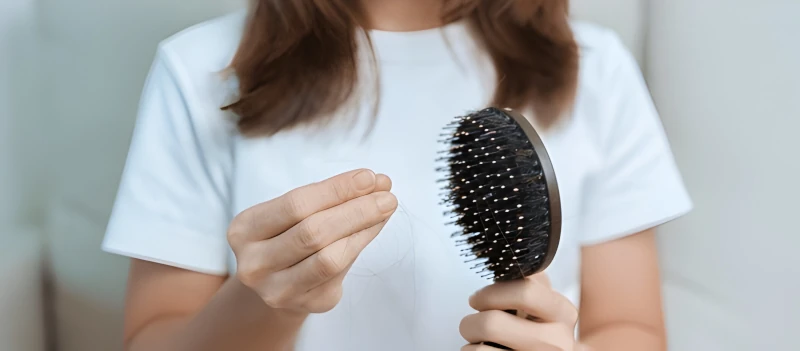
Why Your Hair is Thinning and Nutritional Ways to Support Growth is a question that often arises when hair starts looking less dense, the parting becomes more visible or more strands appear during washing and brushing. Although nutrition can influence the condition and normal growth of hair, thinning does not always mean that your diet is missing a particular vitamin.
Hair density can change for many reasons, including genetics, ageing, hormonal fluctuations, stress, illness, changes in weight and certain lifestyle factors. Understanding where nutrition fits into this picture can help you make more informed decisions about supporting your hair from within.
For anyone searching for hair thinning nutrition support, the most useful approach is to look beyond individual ingredients and consider your overall nutritional status, eating habits and general wellbeing.
What Does Hair Thinning Actually Mean?
Hair naturally grows and sheds as part of its normal cycle. Losing some hair each day is therefore expected. Concern usually arises when shedding becomes noticeably greater, the hair appears less dense or individual strands gradually become finer.
Thinning can happen slowly or become noticeable after a particular change in health or lifestyle.
Thinning Versus Temporary Shedding
Increased shedding does not necessarily mean permanent hair loss. Some forms of temporary shedding can occur after physical stress, illness, significant weight changes or other disruptions.
Hair density may subsequently improve when the underlying trigger is resolved and the normal growth cycle resumes.
Gradual thinning, however, may have a different cause and can be associated with genetic or hormonal factors. This distinction is important because nutritional support may be relevant in some circumstances but cannot address every cause of hair thinning.
Why Does Hair Start to Thin?
There is rarely one explanation that applies to everyone.
Genetics and Ageing
Genetic factors can influence hair density, growth patterns and the diameter of individual strands. These changes can become more noticeable as people get older.
Ageing can also affect the rate at which hair grows and the characteristics of individual strands.
A nutritionally balanced diet can support normal physiological processes, but nutrition cannot change someone’s genetic predisposition to hair thinning.
Hormonal Changes
Hormones influence many aspects of the hair-growth cycle. Changes in hormonal balance can therefore affect shedding and density.
Hormonal changes may occur at different stages of life and can sometimes coincide with other factors such as stress, changes in weight or altered sleep patterns.
If thinning is accompanied by other significant changes in your health, it is worth discussing the situation with a healthcare professional rather than assuming that nutrition is the only explanation.
Stress and Illness
Periods of considerable physical or emotional stress can sometimes affect the hair cycle.
A major illness, prolonged stress or another significant physiological event may be followed by increased shedding. Importantly, the change in hair may not appear immediately, which can make the original trigger easy to overlook.
Looking at what happened in the months before the thinning began can therefore provide useful context.
Can Poor Nutrition Contribute to Hair Thinning?
Nutrition can play a role in maintaining healthy hair because hair follicles require energy and nutrients to support normal cellular activity.
When nutritional intake is inadequate, particularly over an extended period, hair may be affected as part of the body’s broader response to insufficient nourishment.
However, this does not mean that every person with thinning hair has a nutritional deficiency.
The Importance of Nutritional Adequacy
The relationship between hair thinning nutrition support and hair health is primarily about providing the body with adequate nutrition.
Severely restricted diets, prolonged low-calorie intake or elimination of several food groups can make it more difficult to obtain the nutrients needed for normal physiological function.
This is why a varied diet is a more sensible foundation than focusing exclusively on a single “hair vitamin”.
Could Weight Loss Affect Hair?
Significant or rapid weight loss can sometimes be followed by increased hair shedding.
This may happen when a major reduction in calorie intake is accompanied by insufficient protein or micronutrient intake. The body may also respond to substantial physiological changes by altering processes that are not immediately essential for survival, including aspects of hair production.
Avoid Extreme Dieting
If you are trying to lose weight, highly restrictive diets may not be the best long-term approach.
A sustainable eating pattern should provide adequate nourishment while supporting your overall health. Meals should contain a suitable combination of protein, carbohydrates, fats and nutrient-rich foods rather than focusing only on reducing calories.
If noticeable shedding develops after substantial weight loss, consider the timing of the change and seek professional advice if it continues.
Why Protein Matters for Hair
Hair is largely made up of keratin, a structural protein. Protein is therefore an important part of a balanced diet for maintaining normal hair structure.
This does not mean that eating large amounts of protein will automatically increase hair growth. Rather, inadequate protein intake can make it more difficult for the body to maintain normal physiological processes.
Include Protein-Rich Foods Regularly
Depending on your dietary preferences, protein can come from foods such as:
- Eggs
- Fish
- Poultry
- Dairy products
- Beans and lentils
- Tofu
- Nuts and seeds
- Other protein-rich plant foods
Including a variety of sources throughout the week can make it easier to maintain an adequate and balanced diet.
What Role Do Vitamins and Minerals Play?
Hair follicles are active tissues with nutritional requirements. Several vitamins and minerals contribute to normal processes that are relevant to the maintenance of healthy hair.
The important point is that their value is primarily associated with adequate nutritional status. Taking additional amounts does not necessarily produce better results when someone already consumes sufficient quantities.
Iron
Iron contributes to normal oxygen transport and is involved in important cellular processes.
Low iron status has been investigated in relation to different types of hair loss, particularly where deficiency is present. However, hair thinning alone is not enough to establish that someone needs additional iron.
If you suspect that you may have low iron levels, professional assessment is more appropriate than taking iron supplements without a clear reason.
Zinc
Zinc contributes to normal cell division and maintenance, making adequate intake relevant to tissues with active cellular processes.
As with other nutrients, the goal is nutritional adequacy rather than unnecessarily high intake.
Vitamin D
Vitamin D has a wide range of functions within the body, and its relationship with hair health has been investigated in various studies.
Maintaining adequate vitamin D status is part of general nutritional wellbeing, but supplementation should be considered according to individual circumstances rather than treating vitamin D as a universal solution for thinning hair.
Why a Varied Diet Comes First
A balanced diet provides more than isolated vitamins and minerals. It also provides protein, essential fats, carbohydrates, fibre and a wide range of other dietary compounds.
For this reason, improving the overall quality of your diet is often a more useful first step than immediately adding several supplements.
Build Meals Around Variety
A practical approach is to regularly include:
- Different vegetables and fruits
- Wholegrain foods
- Protein-rich foods
- Nuts and seeds
- Healthy sources of dietary fat
- Dairy or suitable alternatives
- Pulses and other nutrient-dense foods
The exact combination can vary according to dietary preferences, but variety helps create a more nutritionally complete eating pattern.
Can Supplements Support Hair Nutrition?
Supplements can be useful when they complement an individual’s normal diet and provide nutrients that may be difficult to obtain in sufficient amounts.
However, they should not be viewed as a treatment for unexplained hair loss.
The purpose of hair thinning nutrition support is to help maintain adequate nutrition rather than promise that a supplement can reverse every form of thinning.
Avoid Taking Multiple Products Unnecessarily
Using several supplements at the same time can lead to overlapping ingredients.
A multivitamin, hair supplement and other fortified products may contain some of the same nutrients. Checking labels before combining products can help avoid unnecessary duplication.
Following the recommended serving is also important. Increasing the amount does not automatically mean that hair will grow faster or thicker.
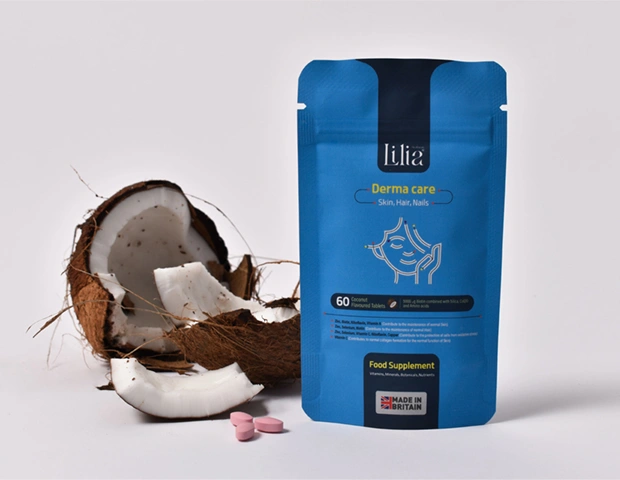
Where Lilia Derma Care Fits
For people looking for convenient nutritional support specifically formulated around hair, skin and nail health, Lilia Healthcare offers targeted supplementation as part of a broader healthy lifestyle.
Lilia Derma Care contains a combination of vitamins, minerals and selected ingredients formulated to support hair, skin and nails. Its once-daily format includes biotin alongside vitamins A, C and D, B vitamins, zinc, selenium, copper and other nutritional ingredients.
The product can be incorporated into a balanced nutritional routine, but it should not be considered a treatment for genetic hair loss, hormonal conditions or other medical causes of thinning.
Following the recommended daily serving and maintaining a varied diet are important parts of using any food supplement responsibly.
Hair Care Still Matters
Nutritional support addresses the body’s internal environment, but everyday hair-care habits can also affect how full and healthy the hair looks.
Reduce Mechanical Damage
Tight hairstyles, aggressive brushing and frequent pulling can place stress on the hair shaft.
Gentler brushing and hairstyles that do not repeatedly pull on the roots can help reduce avoidable mechanical damage.
Be Careful With Heat and Chemical Treatments
Frequent high-temperature styling and repeated chemical treatments can weaken the hair shaft and contribute to breakage.
Breakage is different from follicle-level hair loss, but it can make hair appear noticeably thinner.
Protecting the hair from unnecessary damage can therefore complement a nutritional approach.
When Should You Investigate Hair Thinning Further?
Not every change in hair density requires medical investigation. However, persistent or unusual changes deserve attention.
Look for Sudden or Unusual Changes
Professional advice may be appropriate if thinning is:
- Sudden or rapidly progressing
- Appearing in clearly defined patches
- Accompanied by scalp irritation, redness or scaling
- Associated with other unexplained symptoms
- Continuing without an obvious trigger
A healthcare professional can consider your medical history, diet, medications and other possible causes before deciding whether further assessment is needed.
Look at the Bigger Picture
One of the biggest mistakes when dealing with thinning hair is searching for one ingredient that will solve the entire problem.
Hair health is influenced by numerous factors, so a more useful approach is to consider the complete picture.
Ask Yourself What Has Changed
Before changing your supplement routine, think about the period before the thinning became noticeable.
Consider whether you have recently experienced:
- Major weight loss
- A restrictive diet
- Significant stress
- An illness
- Changes in medication
- Major changes in sleep
- Changes in your general eating habits
This information can help you understand whether the timing of the hair change corresponds with another event.
Building a Sustainable Hair Nutrition Strategy
A sensible approach to hair thinning nutrition support does not need to be complicated.
Start with a varied diet and adequate overall nourishment. Include sufficient protein and avoid extreme dietary restriction. Pay attention to significant changes in your health and lifestyle, and avoid assuming that every episode of hair thinning is caused by a nutritional deficiency.
If supplementation is appropriate for your circumstances, choose a clearly formulated product and follow its recommended serving rather than combining multiple products without a clear purpose.
Supporting Healthier Hair From Within
Hair thinning can be caused by many different factors, and nutrition is only one part of the picture. A nutritional imbalance can affect hair health in some circumstances, but genetics, hormones, stress, illness, ageing and lifestyle can also influence hair density and shedding.
For those looking for hair thinning nutrition support, the most sustainable approach is to focus on overall nutritional adequacy rather than chasing a single nutrient.
A varied diet, sufficient protein, sensible lifestyle habits and appropriate supplementation can all form part of a long-term approach to maintaining healthy-looking hair. When thinning is sudden, persistent or unexplained, identifying the underlying cause should come before relying on supplementation alone.